10 blonde and pink hair ideas
Blonde and pink hair ideas have become a prominent trend across Pinterest inspiration boards and modern beauty styling communities. This color combination blends the brightness of blonde tones with soft or vibrant pink accents to create visually dynamic hairstyles. The contrast between these shades allows hair to appear more dimensional, expressive, and creative while still maintaining balance through thoughtful color placement. Many hairstyling trends now emphasize layered color techniques that create depth rather than a single uniform shade.
The pairing of blonde and pink tones offers a wide range of possibilities. Soft pastel pink can create subtle elegance, while brighter pink tones introduce bold artistic flair. These variations allow individuals to adapt the color combination to different hairstyles, lengths, and textures. Blonde hair acts as a bright base that allows pink pigments to stand out clearly while still blending naturally into the overall color design.
This article explores ten distinct blonde and pink hair ideas that combine aesthetic inspiration with practical application methods. Each style explains the concept of the color combination and outlines a structured approach to achieving the look. The ideas presented here focus on beginner friendly techniques, step by step planning, and practical preparation methods that help achieve balanced and visually appealing hair color results.
Why This Idea Is Trending or Useful
Blonde and pink hair combinations have become popular among Pinterest ideas because they merge natural brightness with creative color expression. Blonde hair serves as a neutral base that allows pink shades to appear vibrant without requiring extremely dark contrast. This makes the style adaptable for many different hair colors and tones.
Another reason this combination remains a trending idea is its versatility. Pink tones can range from pastel rose shades to vivid magenta hues. By adjusting the intensity of the pink color, hairstylists can create looks that appear soft and elegant or bold and artistic. This flexibility allows individuals to customize the hairstyle according to their preferred aesthetic.
The design also has practical advantages. Because the pink color can be applied selectively, many styles maintain blonde roots or base layers. This approach reduces maintenance while allowing creative color sections to remain visible. Highlights, balayage techniques, and ombre transitions are frequently used to blend the two colors seamlessly.
Many blonde and pink hairstyles can also be achieved through structured DIY tutorials. With proper preparation, the right materials, and careful sectioning, beginners can experiment with creative color techniques at home. This accessibility contributes to the widespread popularity of blonde and pink hair across modern hair styling trends.
Materials and Preparation
Achieving blonde and pink hair requires proper preparation to ensure the colors develop evenly and blend smoothly. The first step is determining whether the hair is light enough to support pink tones. In many cases, hair must first be lightened to a pale blonde shade before pink pigments are applied. This light base allows the pink color to appear vibrant and true to its intended shade.
Essential materials include hair lightener, developer solution, mixing bowl, tint brush, protective gloves, hair clips for sectioning, and foil sheets if highlighting techniques are used. Pink hair dye or toner will also be required depending on the desired shade intensity. A tail comb helps divide the hair into clean sections for precise color placement.
Preparation begins by washing and drying the hair thoroughly. Clean hair allows the color mixture to spread evenly across strands. Protective towels or capes should be placed around the shoulders to prevent staining during the coloring process.
A strand test is recommended before applying the full color treatment. This step ensures the hair can safely reach the required blonde stage and that the pink pigment produces the desired tone. Proper planning and organized preparation help achieve consistent color distribution and minimize uneven results during the coloring process.
MAIN IDEAS
Idea 1: Pastel Pink Highlights on Blonde Hair
How to Create
Pastel pink highlights introduce delicate strands of soft pink into blonde hair, creating a light and airy color effect. This technique focuses on subtle color placement that enhances the brightness of the blonde base without overwhelming the overall appearance. The pastel shade is typically created by diluting pink pigment to achieve a gentle tone that blends smoothly with light blonde hair.
This style appears frequently in Pinterest inspiration because it creates a dreamy aesthetic that looks soft and elegant. The pastel highlights add visual texture to the hair, allowing light to reflect across the strands and emphasize natural movement. The look works particularly well with layered hairstyles and loose waves because the color variation becomes more visible when the hair moves.
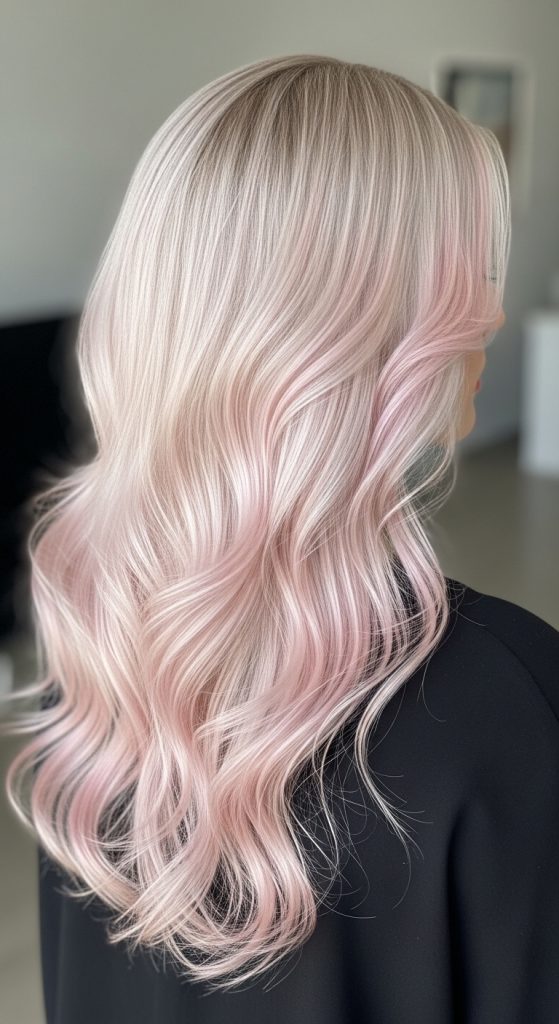
Pastel highlights are also adaptable for different hair lengths and textures. Short hairstyles gain a playful accent through soft color streaks, while long hair benefits from subtle dimensional changes. The combination of blonde and pastel pink produces a balanced aesthetic that remains creative without appearing overly dramatic.
To create pastel pink highlights, begin by dividing the hair into small sections using clips. Thin strands are selected throughout the top and middle layers of the hair where the highlights will be visible.
Prepare the pink dye by diluting the pigment if a lighter pastel shade is desired. Using a tint brush, apply the mixture evenly across the selected strands. Foils can be used to isolate each section and prevent the color from spreading to surrounding hair.
Allow the color to develop according to the recommended time. Once the pastel shade appears, rinse the hair gently with cool water and apply conditioner to maintain softness. Proper sectioning and controlled application ensure the pastel highlights remain evenly distributed and softly blended with the blonde base.
Idea 2: Blonde to Pink Ombre Transition
How to Create
Blonde to pink ombre hair creates a gradual transition between a blonde root area and vibrant pink ends. This style focuses on blending two colors seamlessly so that the shift between tones appears natural and fluid. The technique produces a dramatic visual gradient that adds depth and movement to the hair.
Ombre hair color remains a common Pinterest creative idea because it introduces color variation without requiring uniform coloring across the entire head. The darker blonde roots maintain a natural appearance while the pink ends provide a bold visual accent. This design also allows the hairstyle to grow out more naturally since the roots remain unchanged.
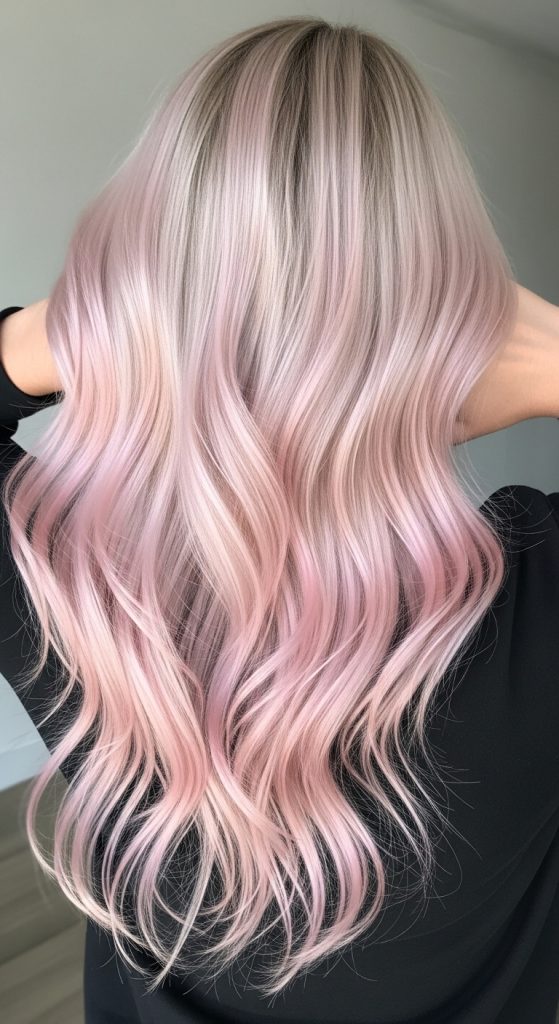
The pink shade used in ombre styles can vary from soft rose tones to bright magenta depending on the desired level of contrast. This flexibility allows individuals to create a personalized aesthetic that matches their preferred style.
To create the blonde to pink ombre effect, begin by dividing the hair into horizontal sections. The pink color should be applied primarily to the lower half of the hair length. Using a tint brush, apply the dye gradually downward from the mid-length area.
The color should be blended upward slightly to avoid harsh lines between the blonde and pink sections. This blending step ensures the transition appears smooth.
Once the color has developed, rinse the hair carefully and apply a conditioning treatment. The finished look should display a seamless gradient from blonde roots to vibrant pink ends.
Idea 3: Rose Gold Blonde Hair
How to Create
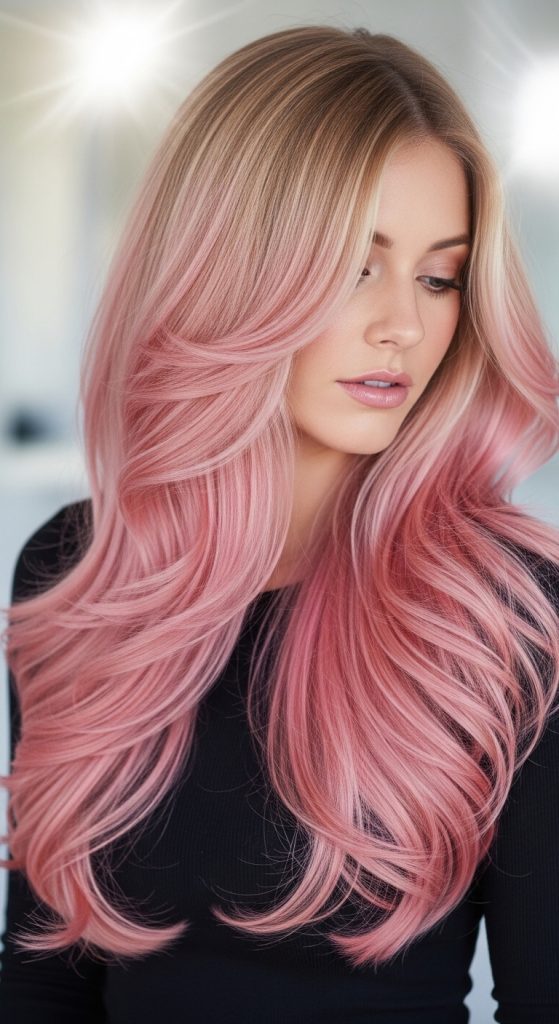
Rose gold blonde hair combines warm blonde tones with soft pink undertones to create a balanced and elegant color blend. The result is a metallic-inspired shade that reflects light in subtle pink and gold variations. This color appears frequently in Pinterest inspiration boards because it produces a sophisticated and modern aesthetic.
The rose gold tone is created by layering pink pigment lightly over warm blonde hair. Instead of strong pink streaks, the color integrates softly into the blonde base. This technique creates a reflective effect that changes slightly depending on lighting conditions.
To achieve rose gold blonde hair, lighten the hair evenly to a pale golden blonde shade. After rinsing and drying, apply a rose gold toner across the hair using a tint brush. The toner should be distributed evenly to ensure balanced color coverage.
Allow the toner to process according to the recommended timing before rinsing thoroughly. Conditioning treatments help maintain shine and softness after coloring.
Idea 4: Pink Face-Framing Blonde Highlights
How to Create
Pink face-framing highlights focus on adding bright pink strands around the front hairline. This design emphasizes facial features while maintaining the blonde base color.
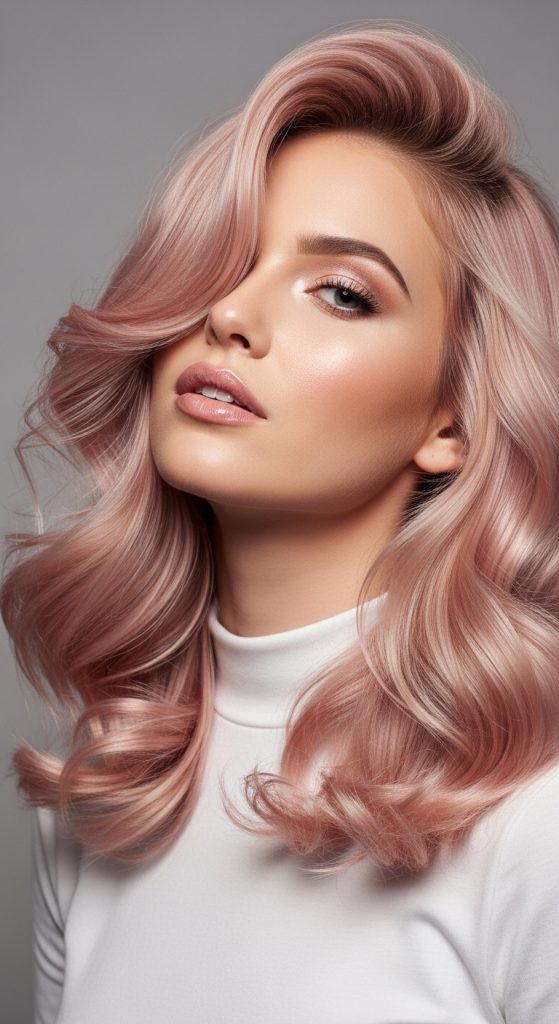
To create this style, isolate thin strands near the temples and hairline. Apply pink dye carefully using a tint brush and wrap the sections in foil to allow the color to develop evenly.
Idea 5: Blonde Hair with Pink Underlayer
How to Create
The pink underlayer technique hides vibrant pink strands beneath the top blonde layers of hair. The color becomes visible when the hair moves or is styled in certain ways.
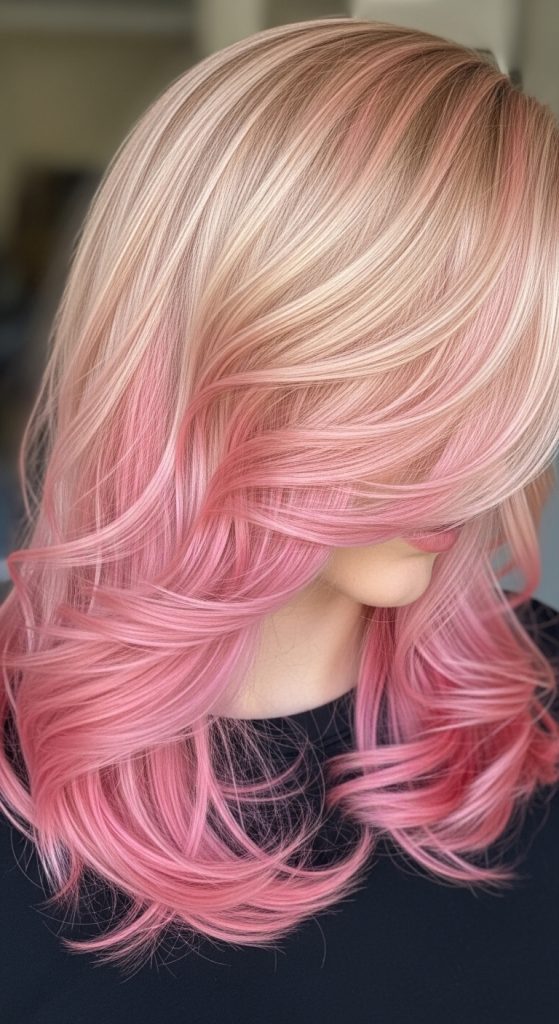
To achieve this effect, separate the bottom layer of hair and apply pink dye to that section only. The upper blonde layers remain untouched.
Idea 6: Cotton Candy Blonde and Pink Blend
How to Create
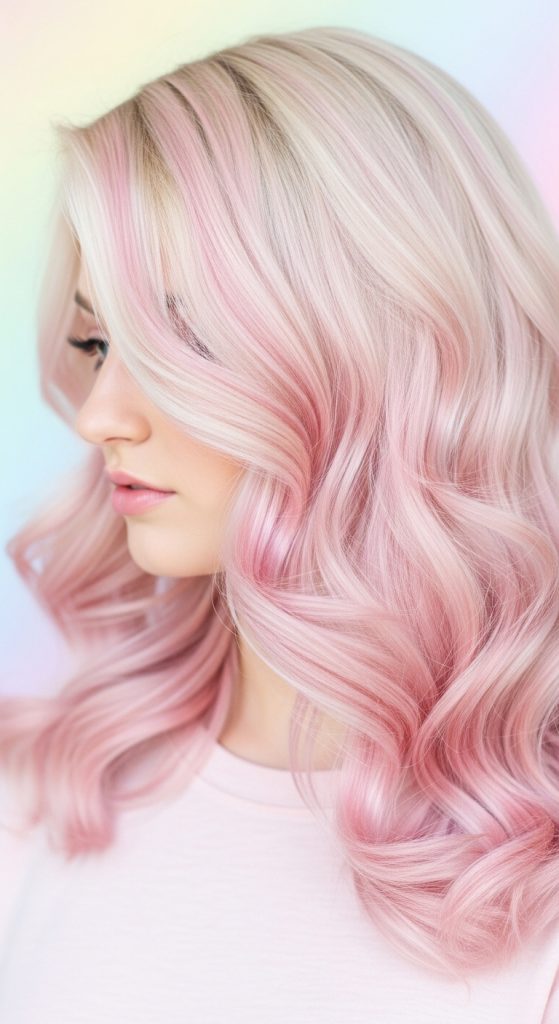
Cotton candy hair combines pastel blonde and soft pink tones to create a dreamy multi-color blend.
The technique involves applying diluted pink pigment to selected blonde sections to achieve a soft pastel effect.
Idea 7: Pink Balayage on Blonde Hair
How to Create
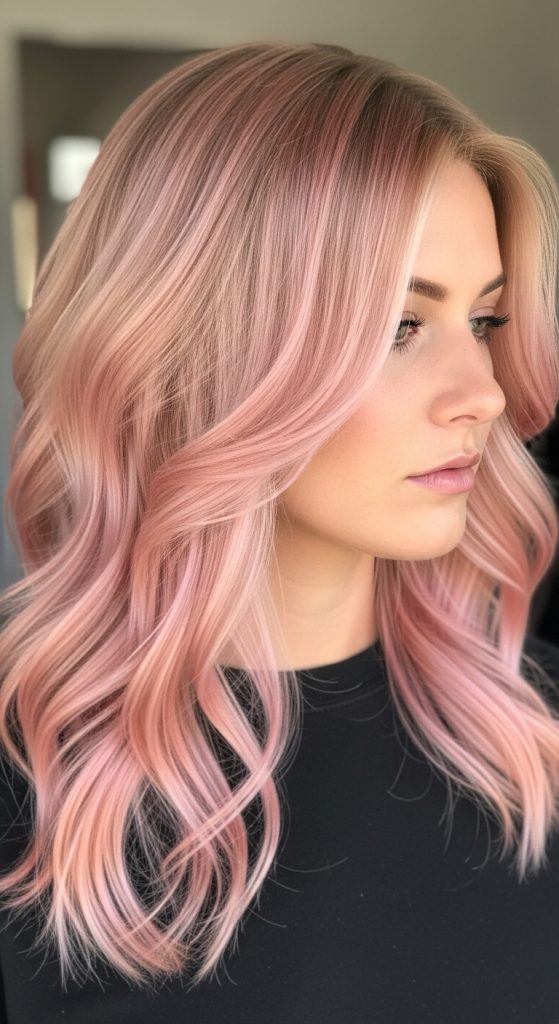
Pink balayage uses a freehand painting method to blend pink tones into blonde hair.
Using a brush, paint the pink dye across selected mid-length sections and ends for a soft gradient effect.
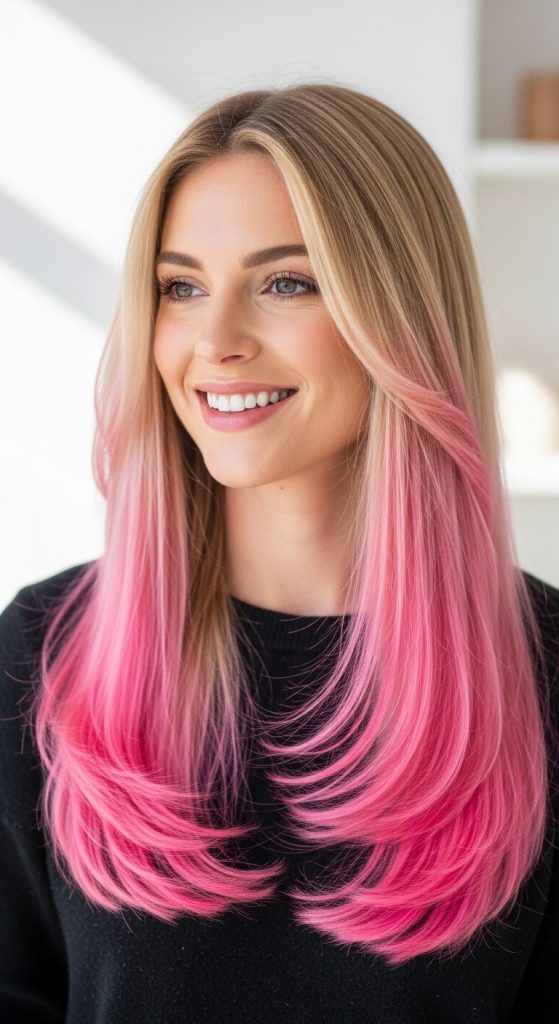
Idea 8: Bubblegum Pink Blonde Tips
How to Create
Bubblegum pink tips focus on bright pink color applied to the ends of blonde hair.
The color is applied to the final sections of hair using a brush to create a bold contrast.
Idea 9: Multi-Tonal Blonde and Pink Hair
How to Create
Multi-tonal color blends several shades of pink with blonde hair to create layered color depth.
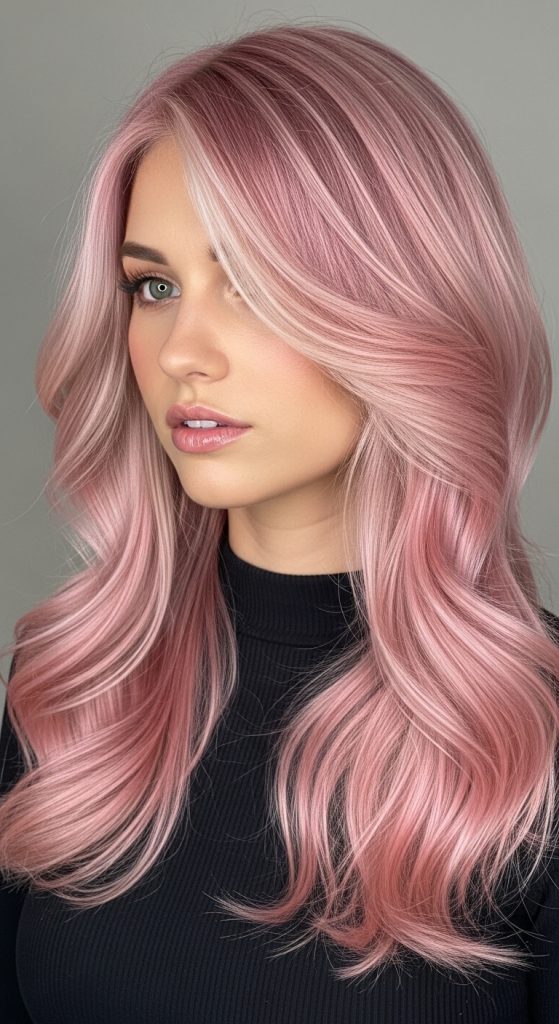
Different pink tones are applied across separate sections to produce dimensional variation.
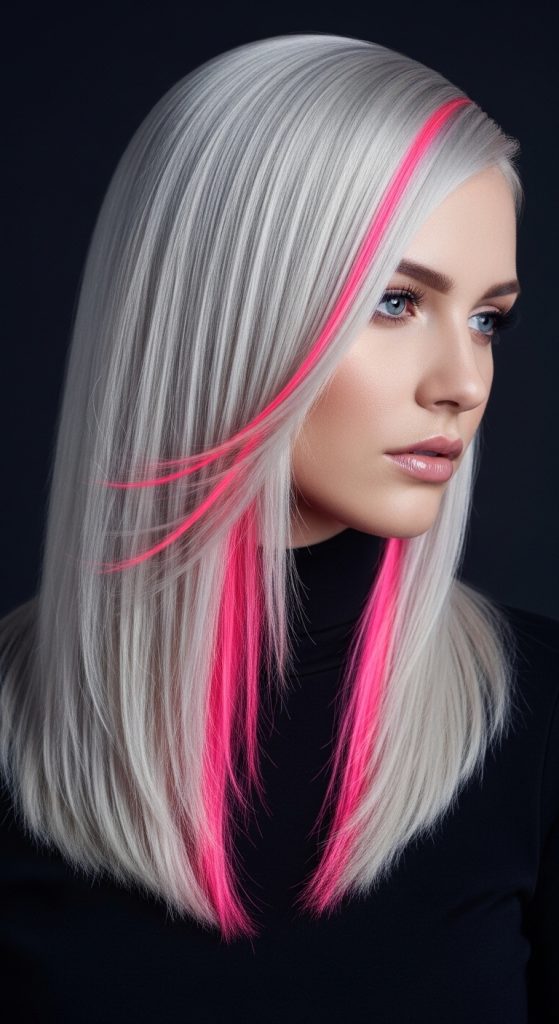
Idea 10: Neon Pink Accent Streaks
How to Create
Neon pink streaks introduce vibrant color strands within blonde hair.
Thin strands are isolated and dyed bright pink to create strong visual contrast.
Common Beginner Mistakes and How to Avoid Them
One common mistake when creating blonde and pink hair is applying pink dye to hair that is not light enough. Darker hair may prevent the pink pigment from appearing vibrant. Lightening the hair to a pale blonde stage first ensures the pink tone develops correctly.
Another mistake involves uneven sectioning during color application. Randomly selected strands may create patchy results. Using organized sections improves color placement and consistency.
Practical Tips for Better Results
Maintaining blonde and pink hair requires regular conditioning treatments. Lightened hair tends to lose moisture quickly, so hydration helps maintain softness and shine.
Using cool water during rinsing also helps preserve the vibrancy of pink pigments.
Styling, Presentation, or Organization Ideas
Loose waves and textured hairstyles often highlight the contrast between blonde and pink tones. The movement created by these styles allows the color layers to become more visible.
Braided hairstyles also reveal hidden color sections such as underlayers or balayage blends.
Budget or Time Planning
Blonde and pink hair transformations may require multiple sessions if the starting hair color is dark. Gradual lightening helps maintain hair health while achieving the desired shade.
Planning each stage of the coloring process ensures better control over the final result.
Creative Expansion and Advanced Inspiration
Advanced blonde and pink hair designs may incorporate layered highlighting, balayage transitions, and tonal blending techniques. Combining different shades of pink with varied blonde tones creates complex color patterns that enhance depth, movement, and visual texture within the hairstyle.