
10 caramel highlights on brown hair
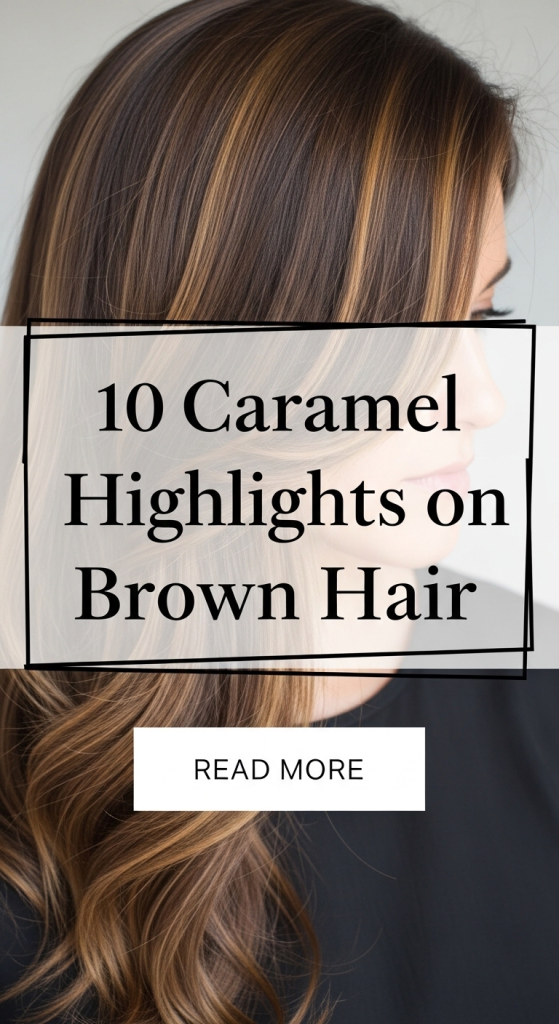
Caramel highlights on brown hair are widely featured across Pinterest ideas because they create warmth, depth, and natural dimension without requiring dramatic color changes. This technique involves adding soft caramel-toned highlights throughout brown hair to enhance its richness and visual texture. Caramel tones range from golden honey shades to deeper amber hues, allowing the highlights to complement different brown hair bases such as light brown, chocolate brown, or dark brunette. The result is a balanced color blend that brightens the hair while maintaining a natural appearance.
This article explores ten caramel highlight ideas designed specifically for brown hair. Each concept explains how the color variation works, where the highlights should be placed, and how the technique can be applied step by step. The ideas focus on practical application methods so readers can understand the structure of the coloring process and plan their hair transformation carefully.
Caramel highlights remain popular because they enhance natural brown tones rather than replacing them. The warm highlights reflect light and add movement to the hair, making it appear fuller and more textured. By exploring these creative ideas, readers can discover different ways to incorporate caramel tones into brown hair while maintaining a balanced and dimensional color design.
Why This Idea Is Trending or Useful
Caramel highlights on brown hair are frequently featured in trending ideas across Pinterest because they offer a subtle yet noticeable color enhancement. Unlike full hair color changes, highlights focus on adding brightness to selected strands while preserving the natural base color. This approach produces a softer and more gradual transformation that remains visually balanced as the hair grows.
Another reason caramel highlights are widely shared in Pinterest inspiration boards is their compatibility with various brown hair shades. Caramel pigments contain warm golden undertones that blend easily with brunette bases. The highlights create contrast without appearing harsh or unnatural. As a result, the hair reflects light more effectively and gains additional depth.
The technique also appeals to individuals looking for beginner friendly color inspiration. Caramel highlights can be applied through balayage, foil highlights, or subtle hand-painted techniques. These methods allow colorists to control placement and intensity depending on the desired outcome.
Caramel highlights also complement many hairstyles, including layered cuts, soft waves, and straight styles. Because the color introduces dimension rather than dramatic contrast, it enhances movement and texture within the hair. These qualities explain why caramel highlights remain a common feature in modern hair color inspiration collections.
Materials and Preparation
Preparing for caramel highlights on brown hair requires organized sectioning, appropriate coloring materials, and careful planning of highlight placement. The highlighting process typically involves lightening selected strands before applying caramel-toned color to achieve the desired warmth and dimension.
Common materials include a hair lightening formula, caramel toner or dye, mixing bowls, color brushes, foil sheets or balayage boards, gloves, sectioning clips, and a tail comb for precise strand separation. Foils are often used to isolate highlighted sections, although balayage techniques may rely on open-air painting instead.
Before starting the coloring process, it is important to evaluate the current hair color and condition. Hair that has been previously colored may react differently to lightening products. Performing a strand test can help determine how quickly the hair lifts to the desired level.
Sectioning the hair into four main areas helps maintain control during application. Highlights are usually concentrated around the mid-lengths, ends, and face-framing sections where natural light would typically hit the hair. Planning the placement of the highlights ensures a balanced distribution of color.
Proper preparation allows caramel highlights to blend smoothly with the brown base, producing a cohesive and dimensional result.
MAIN IDEAS
Idea 1: Classic Caramel Balayage Highlights
How to Create
Classic caramel balayage highlights introduce warm caramel tones into brown hair using the balayage technique. Balayage is a hand-painted coloring method that creates gradual color transitions rather than uniform highlight patterns. Pinterest inspiration frequently showcases caramel balayage because the result appears natural and dimensional.
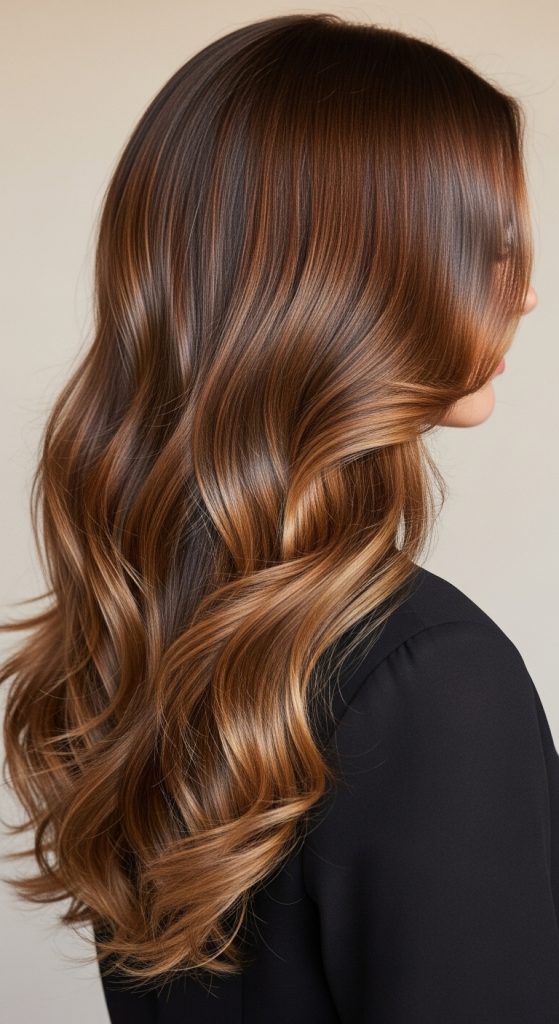
The defining feature of this style is its soft gradient. The hair remains darker at the roots and gradually transitions into caramel highlights toward the mid-lengths and ends. This transition mimics the way sunlight naturally lightens hair over time.
Caramel balayage works particularly well with medium brown hair bases because the warm caramel pigments complement the natural tone. The highlights add brightness while maintaining depth in the darker areas.
This technique is also low maintenance compared with traditional highlights because the darker roots allow the color to grow out gradually without noticeable lines. As the hair moves, the caramel highlights create subtle contrast that enhances the overall texture of the hairstyle.
Step-by-Step Guide
Begin by dividing the hair into four main sections using clips. Prepare the lightening mixture and gather tools including a balayage brush, gloves, and mixing bowl.
Select small strands from the mid-length area and apply the lightener using sweeping motions along the surface of the hair. Focus the brightest color near the ends while lightly feathering the color upward.
Allow the lightener to process until the strands reach a warm golden stage. Rinse the hair thoroughly and apply a caramel toner to refine the shade.
Condition the hair after toning to restore moisture. Styling with soft waves will reveal the dimensional caramel highlights created by the balayage technique.
Idea 2: Caramel Face-Framing Highlights
How to Make
Caramel face-framing highlights focus on brightening the front sections of brown hair while leaving the rest of the hair relatively natural. This highlighting technique emphasizes brightness around the face and creates a soft glow that enhances facial features. Pinterest ideas frequently include face-framing highlights because they provide noticeable dimension without requiring full head coloring.
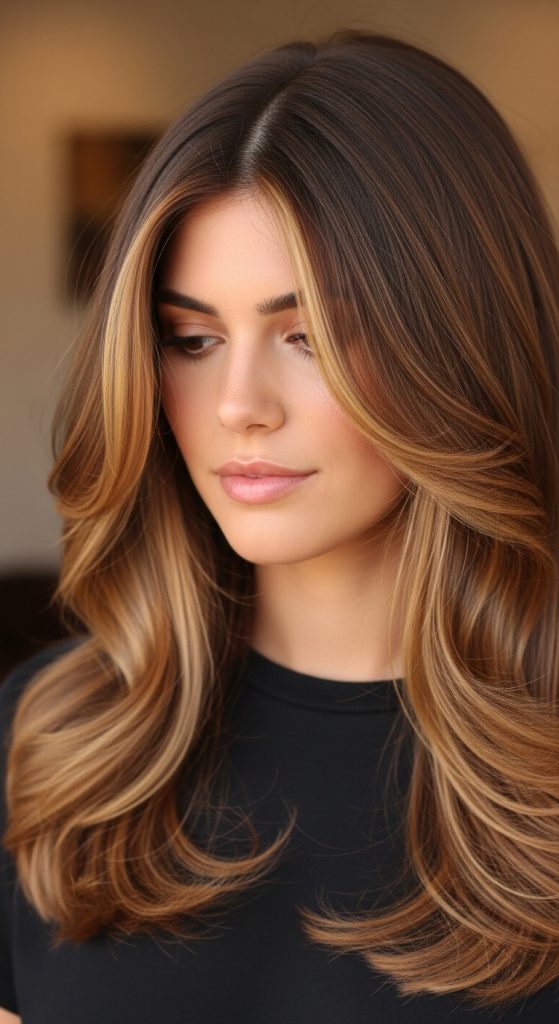
The highlights are typically placed along the hairline and front layers. These areas naturally attract attention and benefit from additional brightness. The caramel tone complements brown hair bases and reflects light effectively.
Face-framing highlights also create visual balance. The lighter strands near the face contrast with darker hair underneath, which increases depth and movement in the hairstyle.
This method works well for both straight and wavy hair textures because the placement remains concentrated around the face rather than distributed throughout the entire head.
Execution Process
Start by separating the front sections of the hair from the rest of the head. Secure the remaining hair with clips to maintain clear working sections.
Prepare the lightening mixture and apply it to thin strands around the face using a color brush. Place the lightener slightly below the roots and extend it toward the ends.
Allow the lightener to develop until the hair reaches a golden stage. Rinse thoroughly and apply a caramel toner to refine the tone.
After conditioning the hair, style it with soft waves or a layered blowout. The caramel highlights will frame the face and add brightness to the hairstyle.
Idea 3: Soft Caramel Babylights
How to Create
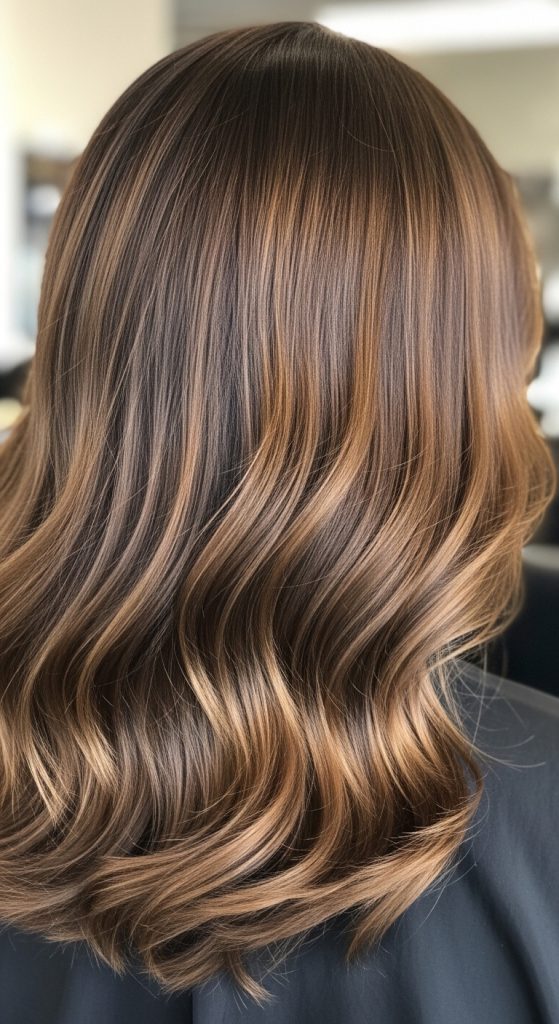
Caramel babylights are extremely fine highlights designed to mimic the delicate color variations found in naturally sun-lightened hair. These highlights are much thinner than traditional highlights and are distributed throughout the hair in subtle sections. Pinterest inspiration often features caramel babylights because they produce a soft and natural-looking dimension.
The technique involves selecting very small strands of hair and lightening them to a caramel shade that blends seamlessly with the brown base color. Because the strands are so fine, the highlights appear blended rather than streaked.
Babylights work particularly well for individuals who want minimal contrast but still desire added brightness. The subtle caramel tones enhance shine and texture while maintaining a natural appearance.
This highlighting technique is especially effective on layered hairstyles, where the fine strands catch light as the hair moves.
Step-by-Step Guide
Section the hair into thin layers using clips. Prepare the lightening formula and cut foil sheets for isolating the babylight strands.
Select very small strands of hair using the tip of a tail comb. Apply lightener to these strands and wrap them in foil.
Allow the color to process until the strands reach a warm blonde stage. Rinse the hair thoroughly and apply a caramel gloss to refine the tone.
Condition the hair and style it with soft waves. The fine caramel babylights will create subtle dimension throughout the hairstyle.
Idea 4: Warm Caramel Ribbon Highlights
How to Create
Warm caramel ribbon highlights introduce thicker strands of caramel color throughout brown hair to create visible dimension and contrast. Unlike babylights, ribbon highlights are slightly wider and more noticeable, which allows the caramel tone to stand out clearly against the brunette base. Pinterest inspiration frequently features ribbon highlights because they enhance the movement of layered hairstyles and create a rich, textured appearance.
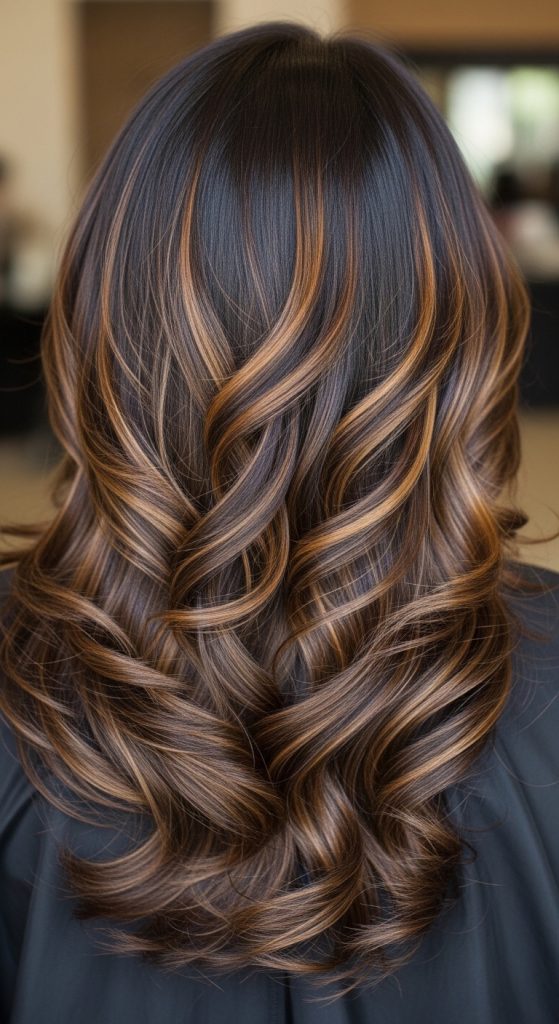
The ribbon technique focuses on strategic placement rather than uniform distribution. The highlights are usually applied to the top layers of the hair and around areas that naturally catch light. This placement produces a natural effect that resembles sunlit strands rather than artificial streaks. When the hair moves, the caramel ribbons become more visible and add visual depth to the hairstyle.
Warm caramel pigments are especially effective for medium or dark brown hair because the tone blends smoothly with the natural base color. The highlights add brightness while preserving the richness of the brunette shade. This balance makes ribbon highlights a common feature in many Pinterest ideas related to dimensional hair color.
Step-by-Step Guide
Begin by sectioning the hair into horizontal layers using clips to keep the strands organized. Prepare the lightening mixture and gather tools such as foil sheets, a brush, and a mixing bowl.
Select medium-width strands from the upper layers of the hair and apply the lightener from the mid-lengths to the ends. Wrap each section in foil to isolate it from the surrounding hair.
Allow the hair to process until the strands reach a warm golden tone. Rinse the hair thoroughly and apply a caramel toner to achieve the desired shade.
After conditioning the hair, style it with loose curls or waves. The ribbon highlights will appear more defined and reveal the dimensional caramel tones.
Idea 5: Caramel Ombre Highlights
How to Make
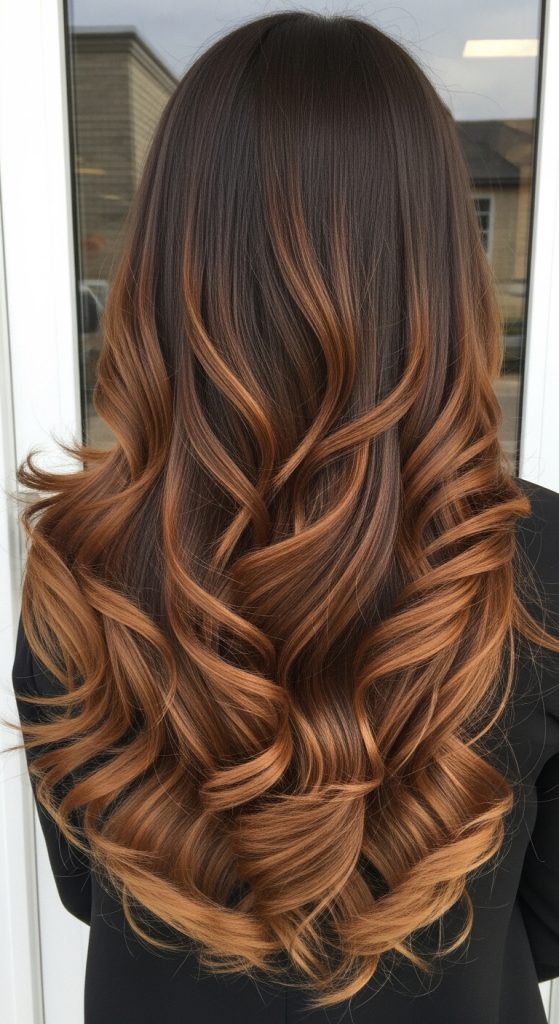
Caramel ombre highlights combine the gradual color transition of ombre with the warmth of caramel tones. Ombre refers to a hair coloring technique where darker roots fade gradually into lighter ends. When caramel shades are used for the lighter portion of the gradient, the result is a warm and natural-looking color blend that works especially well with brown hair.
Pinterest ideas often highlight caramel ombre styles because the transition between shades creates a soft yet dramatic effect. The darker roots maintain the natural depth of the hair while the caramel ends add brightness and contrast. This gradual fade also reduces the need for frequent maintenance because root growth blends seamlessly with the existing color.
Caramel ombre highlights are particularly effective on medium to long hairstyles. The additional length provides enough space for the color gradient to develop smoothly. The caramel tones reflect light and enhance the visual texture of the hair, making waves or layered cuts appear more defined.
Execution Process
Divide the hair into several sections and secure them with clips to maintain organization. Prepare the lightening mixture and apply it to the lower half of the hair.
Begin painting the lightener several inches below the roots. Gradually increase the amount of product toward the ends so the color becomes lighter as it moves downward.
Allow the hair to process until the ends reach a golden stage. Rinse thoroughly and apply a caramel gloss or toner to refine the shade.
Condition the hair and style it with loose curls to highlight the smooth ombre transition between the darker roots and caramel ends.
Idea 6: Chocolate Brown with Caramel Highlights
How to Create
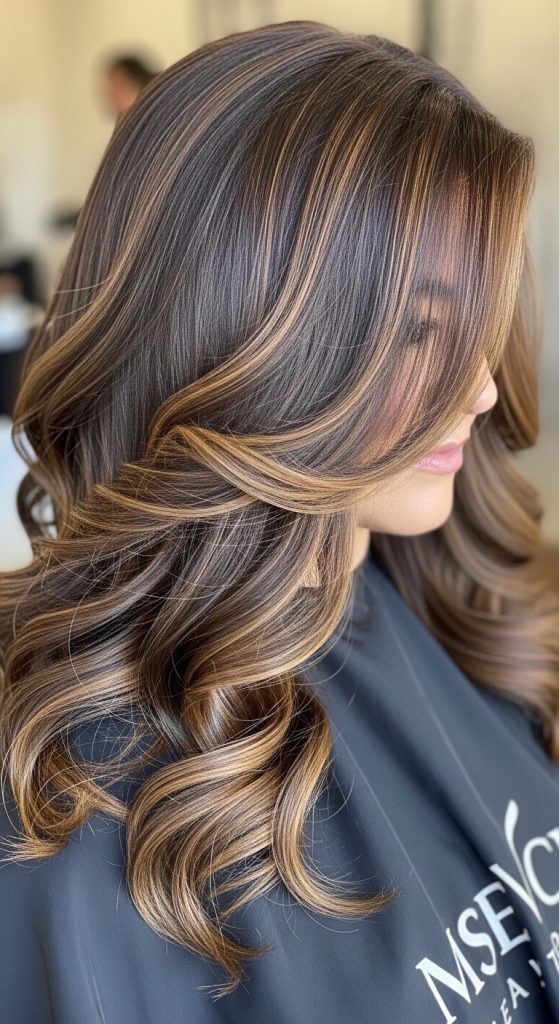
Chocolate brown hair paired with caramel highlights creates a warm and rich color combination that appears frequently in Pinterest inspiration collections. Chocolate brown contains deep warm pigments that blend naturally with caramel tones, making this pairing visually balanced and harmonious.
The caramel highlights are typically applied to the mid-lengths and ends of the hair while leaving the roots darker. This placement maintains depth at the base of the hair and prevents the highlights from appearing overly bright. The result is a layered color effect where the caramel strands reflect light against the darker chocolate background.
This highlight style works particularly well on thick or layered haircuts because the dimension becomes more visible as the hair moves. The caramel strands emphasize texture and give the hair a fuller appearance.
Because the tones remain within a warm color palette, this highlight style maintains a cohesive and natural look.
Step-by-Step Guide
Section the hair into manageable layers using clips. Prepare the lightening formula and gather foils, brushes, and gloves.
Select strands from the mid-length areas and apply lightener using a brush. Wrap each strand in foil to isolate the highlight.
Allow the color to process until the hair reaches a warm golden tone. Rinse thoroughly and apply a caramel toner to achieve the final shade.
After conditioning the hair, style it with soft waves to reveal the contrast between the chocolate brown base and caramel highlights.
Idea 7: Subtle Caramel Highlight Blend
How to Create
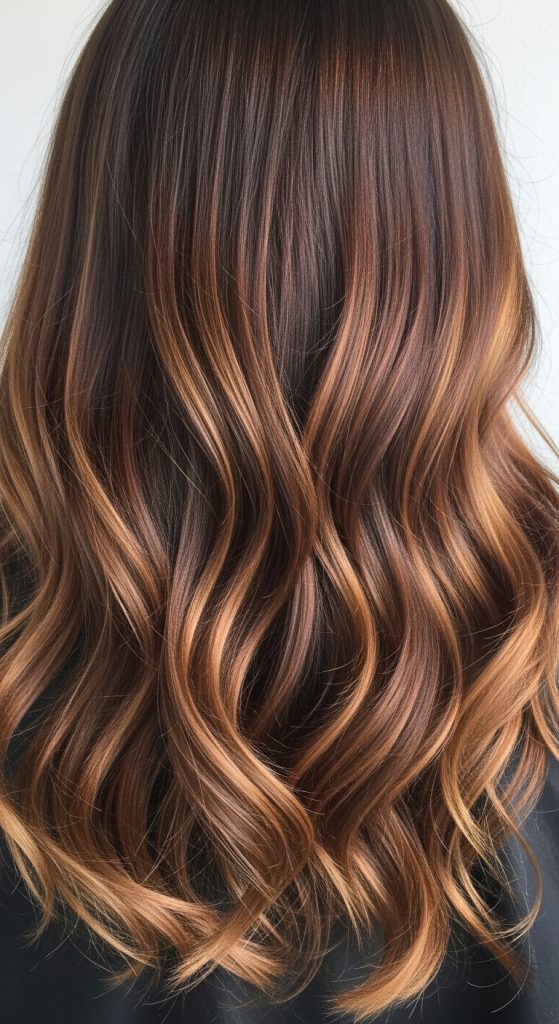
Subtle caramel highlights are designed to enhance brown hair with minimal contrast. This approach focuses on delicate color placement that blends seamlessly with the natural base. Pinterest ideas often showcase subtle highlight blends for individuals who prefer understated color changes rather than dramatic transformations.
The highlights are applied sparingly throughout the hair, usually around the top layers and mid-length sections. Because the strands are thin and well blended, the result appears soft and natural. The caramel tone adds warmth while preserving the overall brunette appearance.
Subtle caramel highlights are especially suitable for professional environments where dramatic hair color may not be desired. The gentle color variation still enhances shine and dimension without becoming the dominant feature of the hairstyle.
Step-by-Step Guide
Divide the hair into thin sections using clips. Prepare a lightening mixture and use a tail comb to select fine strands throughout the hair.
Apply the lightener lightly to each strand, focusing on the mid-lengths and ends rather than the roots. Wrap the strands in foil if needed.
Allow the highlights to process until they reach a soft golden stage. Rinse thoroughly and apply a caramel gloss to refine the color.
Condition the hair and style it with natural waves to reveal the subtle highlight blend.
Idea 8: Layered Caramel Highlights
How to Make
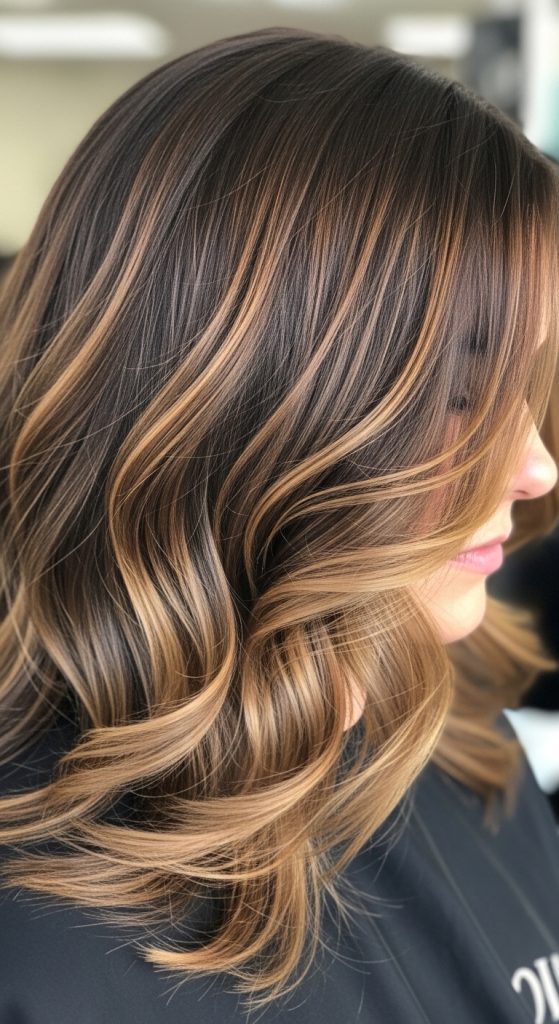
Layered caramel highlights are designed to emphasize the movement and structure of layered haircuts. Pinterest inspiration frequently features this technique because the highlights enhance the visual separation between hair layers.
The highlights are placed strategically along the layered sections of the hair rather than evenly distributed. This placement ensures that each layer catches light differently, creating a dynamic color effect.
Caramel tones are particularly effective for layered hairstyles because the warm pigments reflect light strongly. As the hair moves, the highlights appear to shift throughout the layers, adding depth and dimension.
Execution Process
Start by identifying the layers within the haircut. Separate the hair into sections that correspond with the layered structure.
Apply lightener to the ends of each layer using a color brush. Concentrate the highlights where the layers naturally fall.
Allow the hair to process until the strands reach a warm blonde stage. Rinse thoroughly and apply a caramel toner.
Style the hair with waves or curls to emphasize the layered highlight placement.
Idea 9: Caramel Highlight Money Piece
How to Create
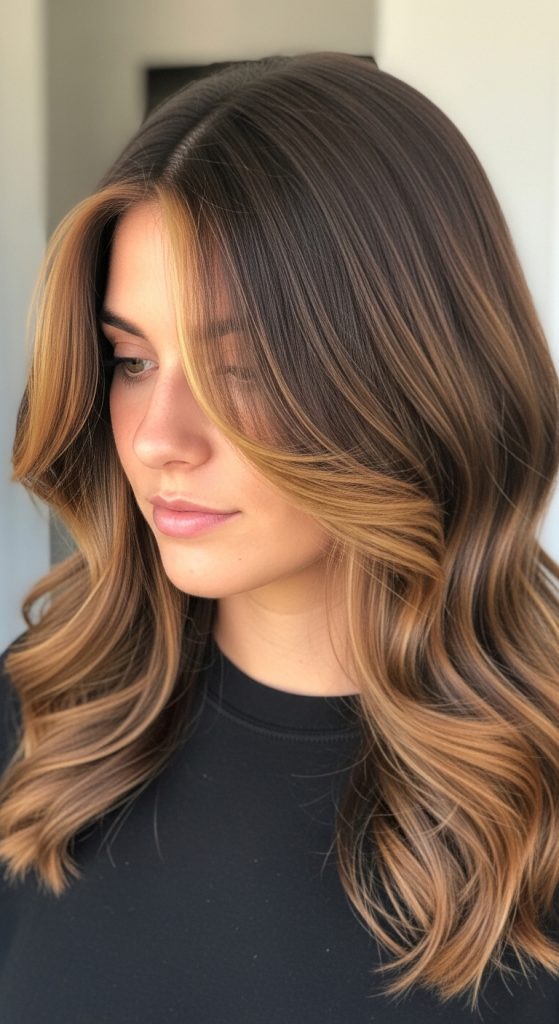
The money piece highlight technique focuses on brightening the front sections of the hair near the face. When caramel tones are used for this technique, the result is a warm and flattering frame around the facial features. Pinterest ideas frequently include money piece highlights because they create a noticeable effect without requiring full-head coloring.
The caramel strands are placed near the hairline and blended into the rest of the hair. This placement ensures the highlights remain the focal point of the hairstyle while still integrating with the overall color.
Money piece highlights are effective for many hair textures and lengths because the placement remains concentrated around the front.
Step-by-Step Guide
Separate the front sections of the hair from the rest of the head. Prepare the lightening mixture and apply it to the face-framing strands.
Allow the color to process until the strands reach a golden tone. Rinse the hair thoroughly and apply a caramel toner.
Condition the hair and style it with soft waves. The caramel money piece will frame the face and enhance brightness.
Idea 10: Sun-Kissed Caramel Highlights
How to Create
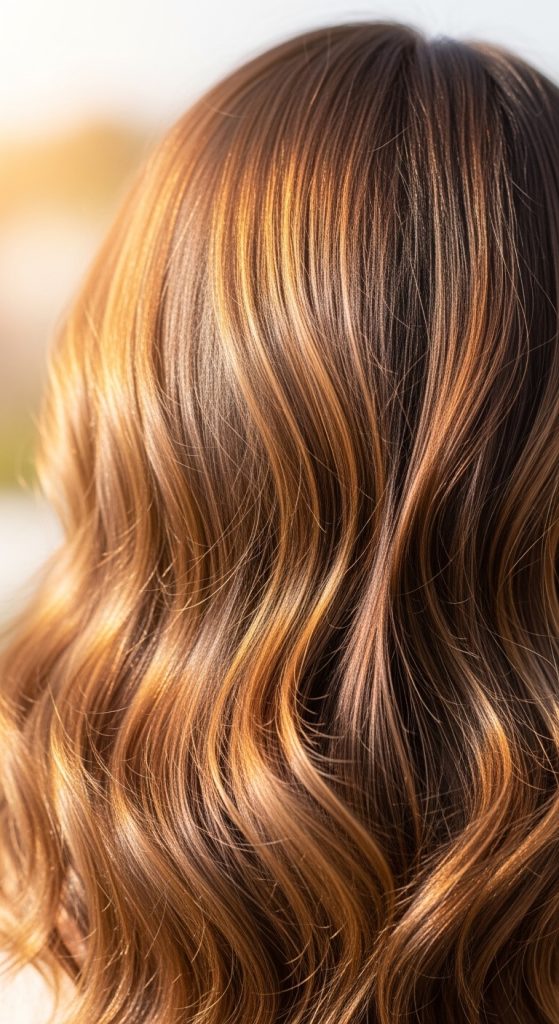
Sun-kissed caramel highlights mimic the natural lightening effect caused by sunlight. This style focuses on placing highlights where natural light would typically hit the hair, such as the outer layers and ends. Pinterest inspiration often highlights this technique because it creates a natural, effortless appearance.
The highlights are applied using soft, blended strokes rather than strict patterns. This allows the caramel tone to appear naturally distributed throughout the hair.
Sun-kissed caramel highlights work well with wavy or layered hairstyles because the highlights catch light as the hair moves.
Step-by-Step Guide
Section the hair into layers and prepare the lightening mixture. Select strands from the top layers and paint the lightener onto the surface of the hair.
Focus on the mid-lengths and ends to mimic natural sun exposure. Allow the hair to process until it reaches a warm golden stage.
Rinse thoroughly and apply a caramel gloss to refine the tone. Style the hair with beach waves to highlight the sun-kissed effect.
Common Beginner Mistakes and How to Avoid Them
A frequent mistake when creating caramel highlights is applying lightener too close to the roots. This can produce harsh lines rather than soft transitions. Proper highlight placement usually begins several inches below the roots to maintain a natural blend. Another common issue involves uneven sectioning. Without consistent sections, highlights may appear scattered rather than balanced. Careful organization of the hair into layers helps maintain control during application. Over-processing is another problem that can affect hair health. Monitoring the development of the color ensures the hair lifts to the correct shade without excessive damage. Conditioning treatments after the highlighting process help restore moisture and maintain shine. Beginners can achieve better results by working slowly and applying color gradually. Controlled placement and consistent sectioning help create a balanced highlight pattern that blends naturally with brown hair.
Practical Tips for Better Results
Achieving natural-looking caramel highlights requires careful attention to placement and tone selection. Using thin sections when applying highlights helps maintain smooth blending with the brown base color. Foil placement or balayage strokes should follow the natural direction of the hair so the highlights appear organic rather than patterned. Hair health is also an important factor. Deep conditioning treatments help maintain moisture after lightening and preserve the shine of the caramel tones. Heat styling tools should be used with protective products to prevent dryness. Styling the hair with soft waves can enhance the appearance of highlights by revealing the layered color placement. Regular gloss treatments can also help maintain the warmth and richness of caramel tones. By maintaining healthy hair and balanced color placement, caramel highlights can remain vibrant and dimensional for an extended period.
Styling, Presentation, or Organization Ideas
Caramel highlights become more noticeable when the hair is styled to reveal movement and texture. Loose curls or beach waves are commonly used because they showcase the different highlight layers. Straight hairstyles emphasize the smooth transition between brown roots and caramel strands. Layered haircuts also enhance the visual dimension created by highlights. Proper hair care organization supports the longevity of the color. Regular conditioning and gentle styling routines help maintain shine and prevent dryness. Hairstyles that expose the outer layers of the hair, such as half-up styles or loose braids, can also reveal the highlight pattern more clearly. These styling techniques help present caramel highlights in a way that maximizes their natural brightness and dimension.
Budget or Time Planning
Highlighting hair requires planning both time and materials. The process typically includes sectioning, applying lightener, monitoring the lift stage, toning, and conditioning. Preparing all tools and materials before starting helps streamline the procedure. For individuals attempting a DIY tutorial, working slowly ensures controlled placement and reduces mistakes. Budget planning may include purchasing lightening products, toners, brushes, foils, and conditioning treatments. Dividing the coloring process into stages can also help maintain hair health. By planning carefully, caramel highlights can be achieved efficiently while minimizing unnecessary product use or excessive processing time.
Creative Expansion and Advanced Inspiration
Caramel highlights can be expanded creatively by combining multiple warm tones. For example, caramel shades can be blended with honey or golden blonde highlights to increase dimension. Face-framing highlights and balayage techniques can also be combined to create layered color effects. Another advanced approach involves mixing caramel tones with darker lowlights to create contrast and depth. This method produces a richer color design that enhances the natural structure of brown hair. By experimenting with placement techniques and tonal variations, caramel highlights can be customized to suit different hair textures, lengths, and personal styling preferences.

