
10 Curtain Bangs Butterfly Haircut
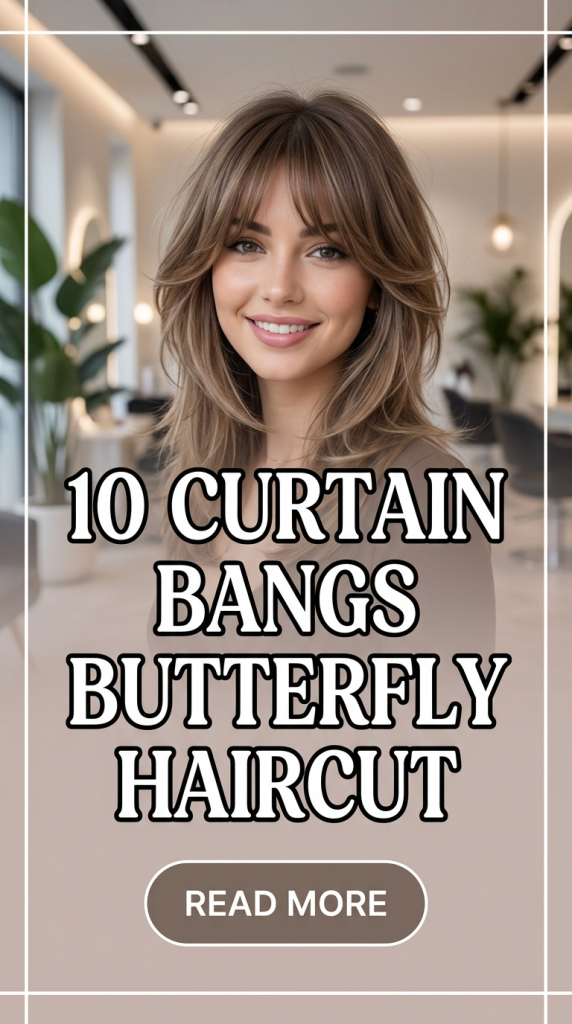
The curtain bangs butterfly haircut combines two distinct haircut techniques into one balanced, modern style. Curtain bangs are soft, face-framing layers parted down the center, designed to open like curtains around the face. The butterfly haircut is a layered cutting method that creates short layers around the crown while maintaining long length underneath. Together, these techniques form a voluminous, movement-focused hairstyle that preserves length while adding shape. On Pinterest, this look remains among trending ideas because it offers dimension without sacrificing overall hair length. It suits straight, wavy, and lightly curly textures when cut correctly. The layered structure gives the illusion of shorter hair at the top while keeping long layers intact below. This makes it ideal for individuals seeking change without dramatic length removal. The combination supports modern design principles in hairstyling: balance, softness, and movement. This article presents ten detailed Pinterest-inspired ideas for styling and cutting a curtain bangs butterfly haircut. Each section includes step by step guidance, preparation advice, and beginner friendly clarity for practical execution.
Why Curtain Bangs Butterfly Haircuts Remain Popular
This haircut continues trending because it delivers volume and framing without rigid styling requirements. Curtain bangs soften facial features by blending gradually into longer layers. The butterfly haircut introduces internal layers that reduce heaviness while maintaining length. Together, they create lift at the crown and fluid motion through the ends. Pinterest users frequently save this style because it photographs well from multiple angles. The layered movement enhances light reflection, creating visual depth. It also adapts easily to blowouts, soft waves, or straight styling. Another reason for its popularity is versatility. The curtain bangs can be styled parted, swept to one side, or pinned back. The butterfly layers can be enhanced with curling techniques or worn naturally. This flexibility makes it suitable for various face shapes and lifestyles. Additionally, the cut grows out gracefully, reducing the need for constant trims. With proper planning and layering technique, the style remains structured and balanced over time. The aesthetic appeal combined with practical maintenance contributes to its continued demand across social platforms.
Preparation and Cutting Foundations Before Styling
Before attempting a curtain bangs butterfly haircut, preparation ensures balanced results. Begin with clean, dry hair to observe natural fall and density. Cutting dry hair allows accurate layering because shrinkage and movement are visible. Section the hair horizontally into two primary layers: the top section around the crown and the lower length section. The butterfly technique requires shorter layers at the crown while preserving long ends beneath. For curtain bangs, create a triangular section at the front of the hairline. Determine the shortest point of the bangs at the center, gradually angling longer toward the sides. Use sharp professional shears for clean edges. Avoid over-thinning, as excessive texturizing can cause frizz. Understanding face shape assists in determining bang length. Oval and heart shapes suit softer framing, while round shapes benefit from slightly longer curtain layers. Blow-dry with a round brush to assess flow. Proper sectioning and cautious layering prevent imbalance. Preparation transforms the haircut into a structured creative project rather than an impulsive trim.
1. Classic Soft Curtain Butterfly Layers
Step-by-Step Guide to Balanced Volume
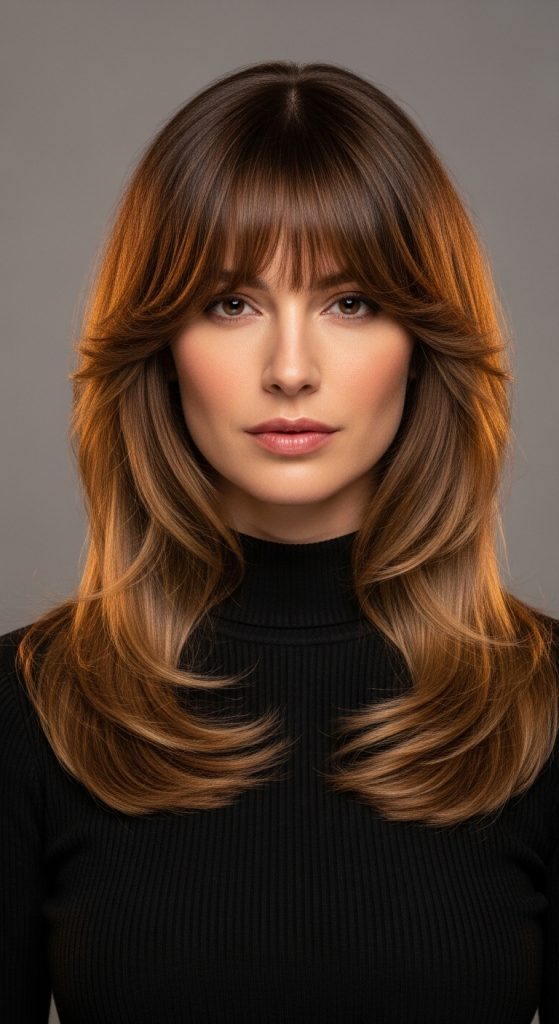
This version emphasizes soft, blended layers with subtle movement. Begin by cutting the butterfly layers first. Elevate the crown section and trim gradually to create lift. Keep the bottom layers long to preserve length. Next, section the front triangle for curtain bangs. Cut the center slightly below eyebrow level and angle outward toward the cheekbones. Blow-dry the bangs using a medium round brush, directing hair away from the face. This styling method enhances the curtain effect. The soft layering reduces heaviness without removing significant length. It works well for medium to thick hair. Maintain regular trims every eight weeks to preserve shape. This approach is beginner friendly for styling but requires precision cutting. The result is balanced movement and face framing without excessive volume. It aligns with Pinterest inspiration for natural yet structured hairstyles.
2. Voluminous Blowout Butterfly Cut
How to Create Lift with Structured Styling
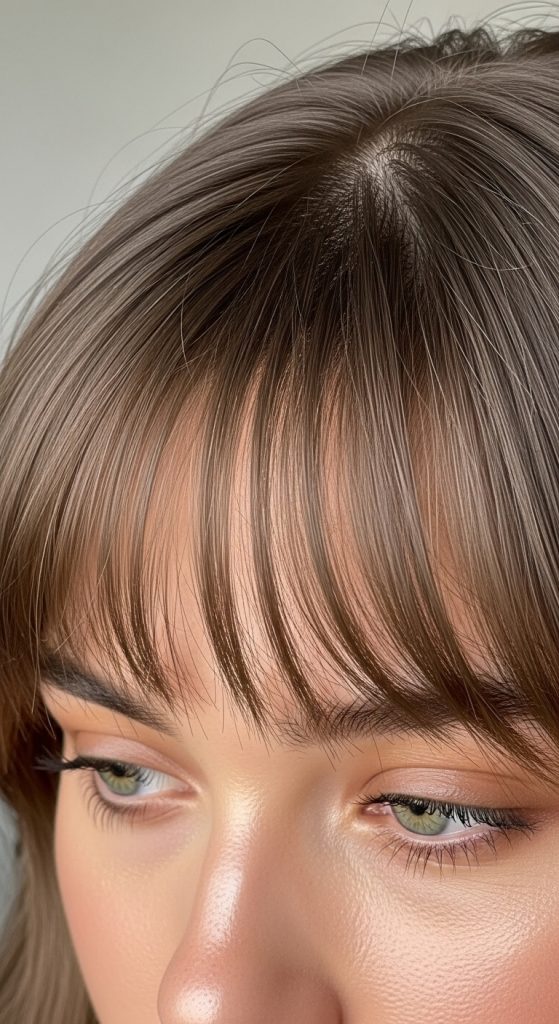
This variation enhances volume through blow-drying technique. After cutting the butterfly layers and curtain bangs, apply heat protectant. Use a large round brush at the crown to lift layers upward while drying. Roll the brush away from the face for curtain bangs. Set with a light hold spray. The layered structure supports the blowout by creating natural separation between lengths. This style works best on straight to wavy textures. The blowout highlights dimension within the cut. Maintain moderate heat to prevent dryness. The voluminous effect remains popular among trending Pinterest ideas because it adds glamour without complex tools. Proper sectioning during drying ensures lift at the crown and smooth flow at the ends.
3. Wavy Texture Butterfly Look
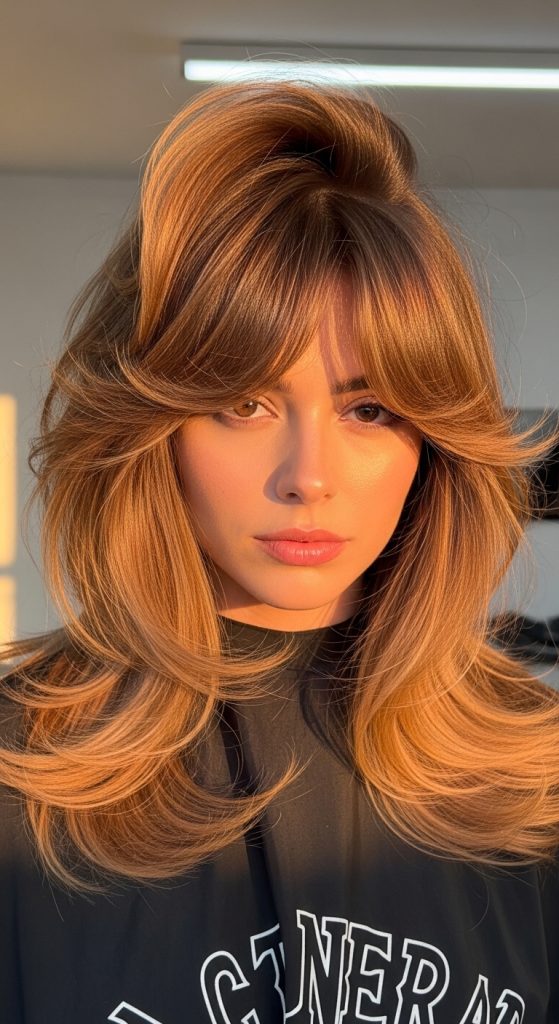
Execution Process for Soft Movement
Add loose waves to emphasize layering. After drying, use a curling iron with a medium barrel. Wrap hair away from the face in alternating directions. Focus on mid-lengths rather than roots. Leave ends slightly straight for a modern finish. Gently separate curls with fingers. Curtain bangs should curve softly outward. The butterfly layers allow waves to cascade naturally. This style adds depth and dimension without appearing heavy. It suits casual and formal settings alike.
4. Sleek Straight Butterfly Finish
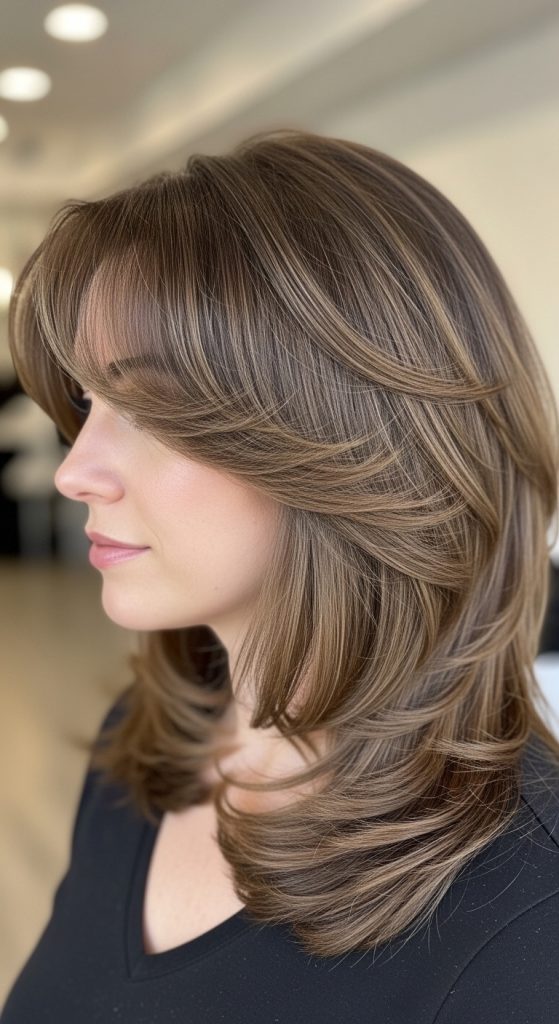
Step-by-Step Polished Styling
Flat iron the layers in smooth sections. Keep the crown slightly lifted by rounding inward subtly. Style curtain bangs by angling them outward with a quick wrist turn. Apply lightweight serum for shine. The sleek finish highlights the precision of the layered cut. It works well for professional environments and minimalist style preferences.
5. Long Butterfly Cut with Extended Curtain Bangs
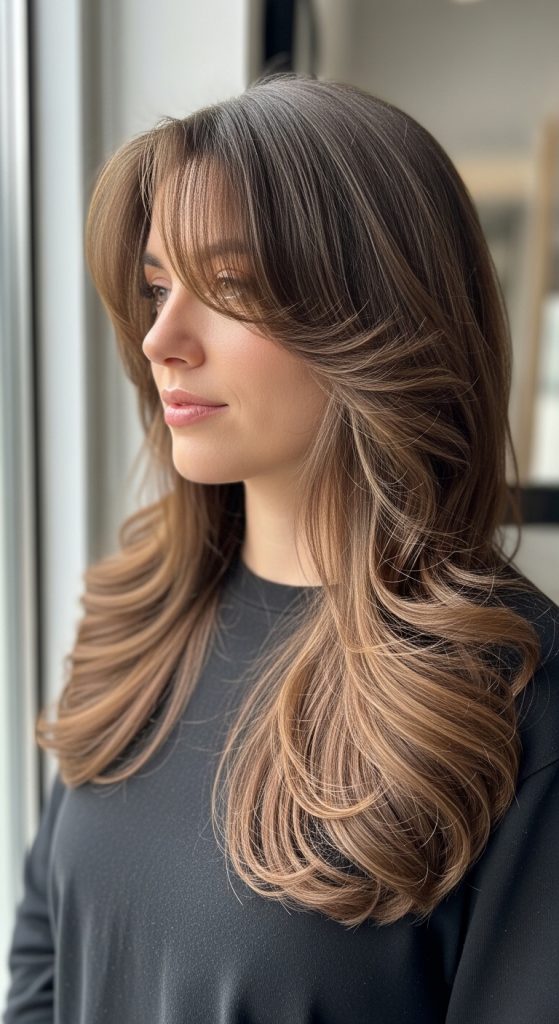
How to Maintain Maximum Length
For those prioritizing length, maintain longer crown layers and extend curtain bangs past the cheekbones. This creates softer framing without dramatic contrast. Use light texturizing at the ends. The longer version grows out smoothly and requires fewer trims.
6. Textured Butterfly with Subtle Highlights
Execution Strategy for Dimension
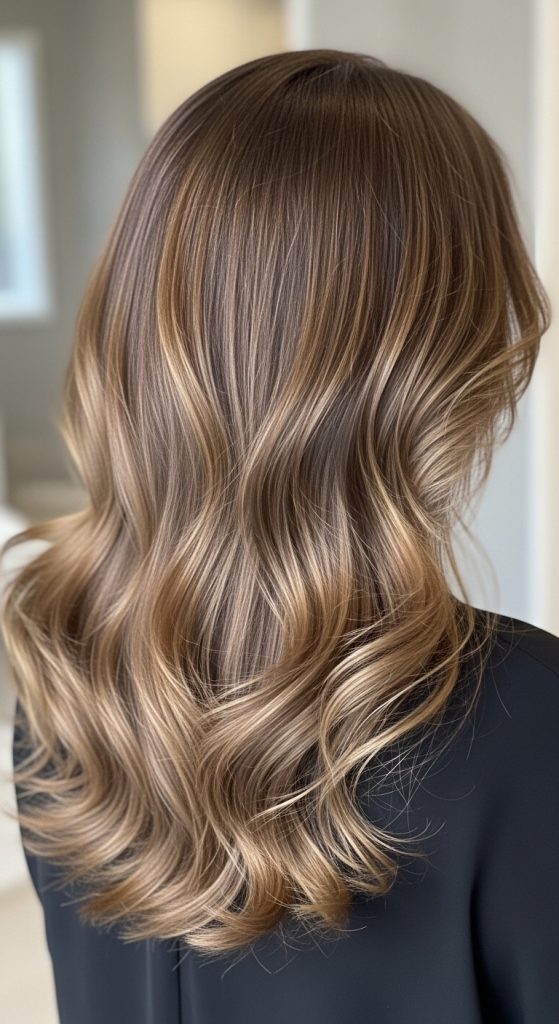
Add subtle highlights to accentuate layers. Place highlights around the face and crown. Avoid heavy contrast. The highlights enhance depth within the butterfly structure. Maintain hydration to preserve shine.
7. Layered Butterfly Cut for Thick Hair
Setup Method for Weight Reduction
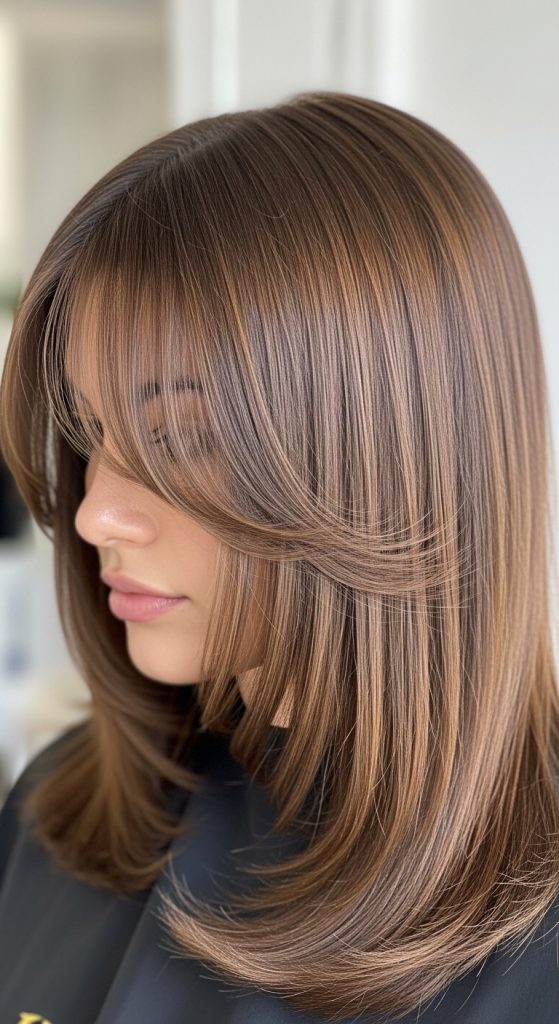
For thick hair, remove bulk by carefully thinning internal layers. Avoid cutting too short at the crown. Maintain balance between lift and density. This method improves manageability while preserving volume.
8. Curtain Bangs with Deep Side Part
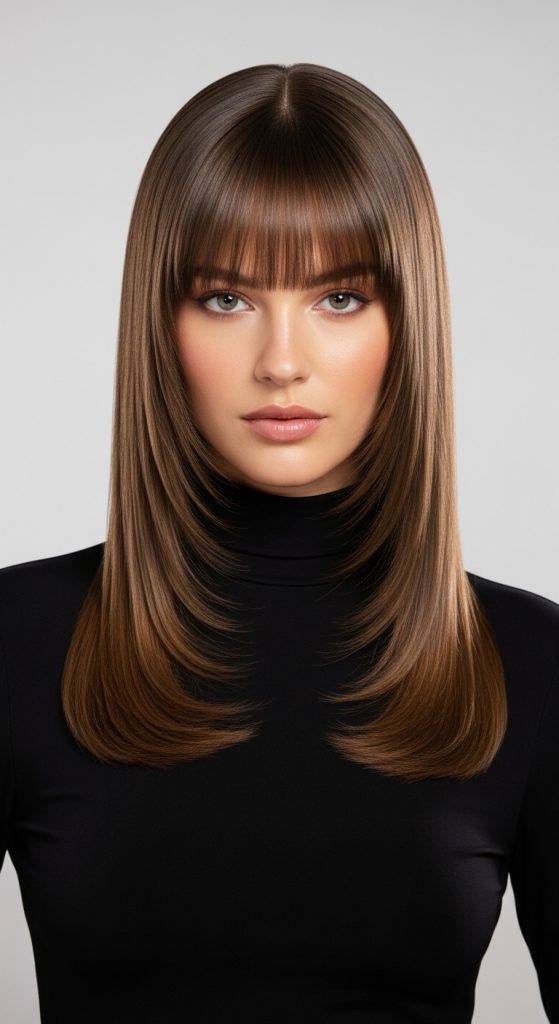
How to Shift the Parting for Variety
Style curtain bangs slightly off-center for a soft side-swept look. Blow-dry with directional lift. This variation adds asymmetry while maintaining structure.
9. Curly Adapted Butterfly Cut
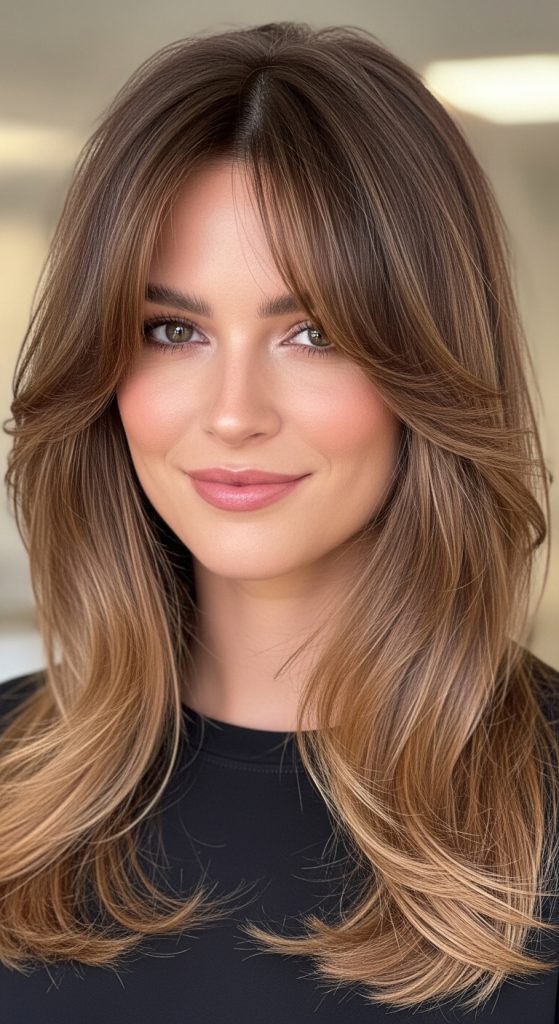
Step-by-Step Adjustment for Natural Curls
Cut curls dry to observe shrinkage. Create longer curtain bangs to prevent excessive lift. Maintain layered crown shape carefully. Use curl cream to enhance separation.
10. Minimalist Butterfly Cut with Subtle Layers
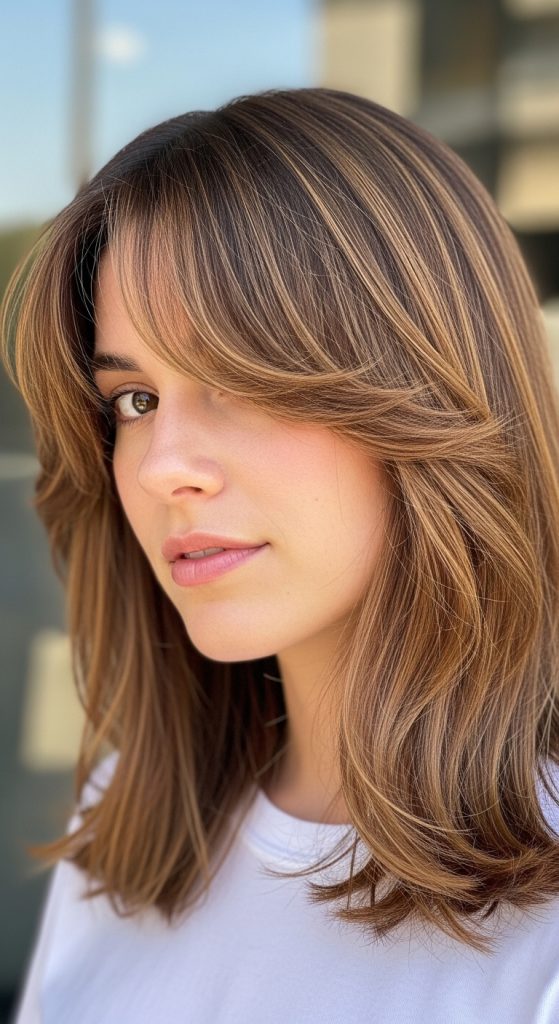
Execution Process for Understated Movement
Keep layers soft and close in length. Maintain longer curtain bangs. This approach suits fine hair seeking gentle volume without dramatic shaping.
Common Beginner Mistakes and How to Avoid Them
Over-layering can reduce fullness. Cutting bangs too short disrupts balance. Excessive thinning creates frizz. Always section properly and trim gradually.
Practical Tips for Maintaining the Style
Schedule trims every six to eight weeks. Use heat protection. Avoid heavy products at the crown. Maintain hydration to preserve shine.
Styling and Presentation for Maximum Impact
Direct curtain bangs away from the face. Highlight crown volume subtly. Keep ends soft. Balanced styling enhances movement.
Budget and Time Planning for Maintenance
DIY styling reduces salon visits. Allocate time for blow-drying techniques. Invest in quality shears for trimming only if experienced.
Expanding the Look with Advanced Inspiration
Experiment with soft balayage. Adjust bang length gradually. Incorporate subtle waves for variation. Thoughtful experimentation preserves structure while refreshing the aesthetic.