
10 Pretty Hair Cuts Ideas
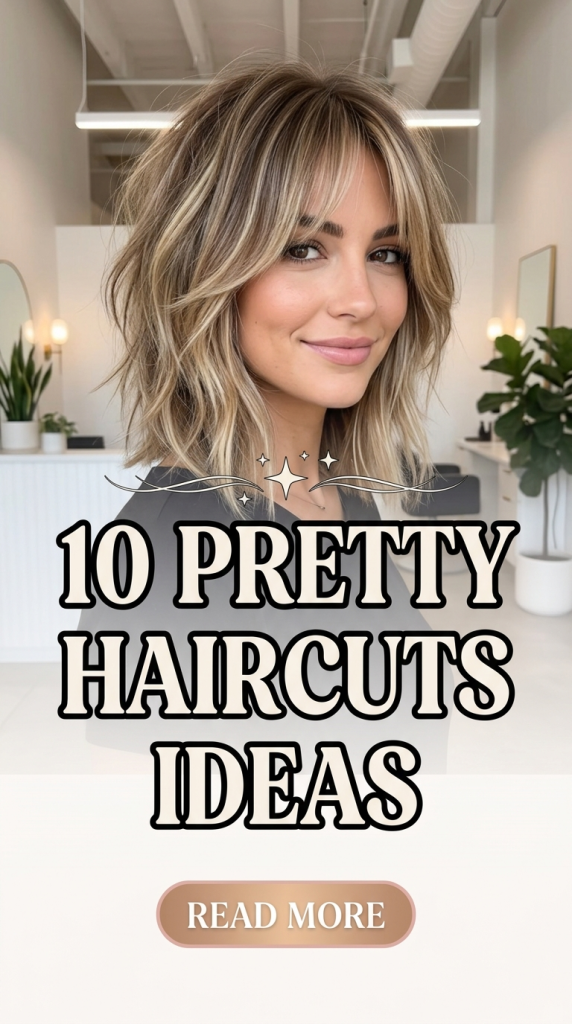
Pretty hair cuts are not defined by trend alone. They combine proportion, movement, and shape to enhance natural features while remaining manageable for daily life. On Pinterest ideas boards, users frequently search for haircuts that look aesthetic in photos but also function well in real routines. A haircut becomes “pretty” when it frames the face effectively, complements hair texture, and grows out smoothly without losing structure.
Length, layering technique, and fringe placement all influence the final result. Modern design trends favor soft movement rather than rigid lines. Mid length and long styles often include face-framing elements, while shorter cuts focus on contour and volume distribution. This guide presents ten creative ideas that reflect trending inspiration while remaining practical and beginner friendly. Each haircut includes structure explanation and styling guidance so the result is both visually appealing and realistic to maintain. Understanding shape and technique ensures the haircut supports individual texture and lifestyle rather than requiring constant correction or excessive styling effort.
Why Pretty Hair Cuts Continue to Trend on Pinterest
Pretty hair cuts consistently appear among trending ideas because they adapt to different aesthetics and age groups. Pinterest users search for inspiration that feels wearable, not extreme. A balanced haircut enhances facial proportions and requires manageable styling time. Soft layers, blended bangs, and subtle shaping techniques dominate search results because they create natural movement without harsh contrast. Modern hair trends emphasize versatility. One cut can be styled sleek for professional environments or textured for casual settings. Another factor behind their popularity is growth transition. Cuts that grow out evenly reduce the need for frequent salon visits. This supports practical planning and long-term hair health. Social media images often highlight polished finishes, but the foundation remains strong cutting technique. A pretty haircut is not simply about styling products. It begins with structure. When shape and graduation are correctly planned, hair falls into place more easily. This combination of aesthetic appeal and function explains why structured yet soft haircuts remain widely shared and saved for reference.
Preparing for a New Haircut: Consultation and Planning
Before selecting any haircut, clear preparation ensures suitable results. Begin by evaluating hair density, natural texture, and face shape. Fine hair requires careful layering to avoid thinning. Thick hair may need internal weight removal to prevent heaviness. Bring visual references to communicate desired length and fringe style clearly. Discuss maintenance expectations, including trimming frequency and daily styling habits. A pretty haircut must align with lifestyle. For example, individuals who prefer air drying should avoid styles that demand daily heat styling. Understanding basic cutting principles improves decision making. Graduation refers to how layers increase or decrease in length. Face-framing means shorter pieces contour around the cheekbones and jawline. Blunt lines create strong structure, while point cutting softens edges. Planning these elements in advance reduces miscommunication. Consider long-term growth as well. A haircut that grows out smoothly maintains its aesthetic longer. Structured consultation transforms inspiration into a realistic and manageable result.
1. Soft Layered Mid Length Cut
How to Create
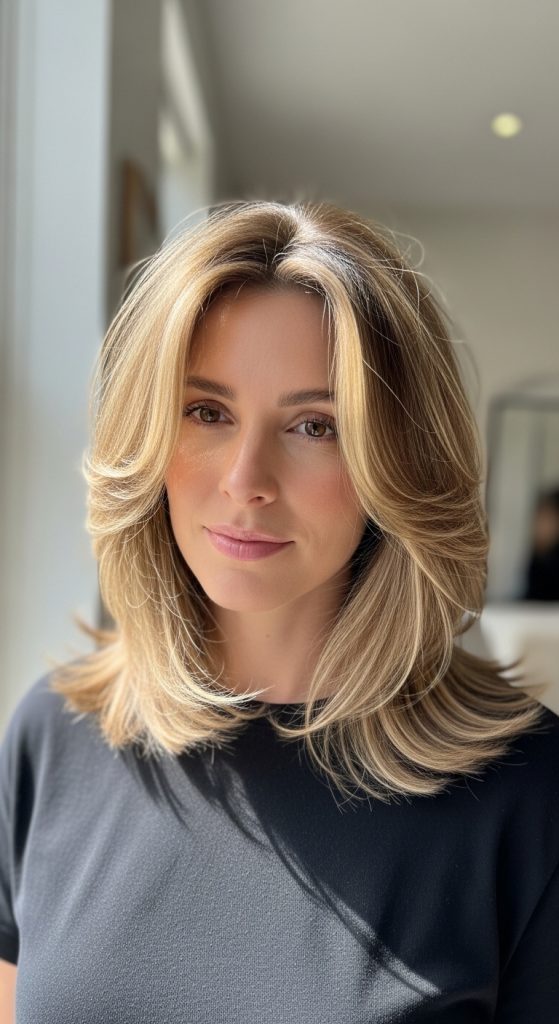
The soft layered mid length cut remains one of the most adaptable pretty hair cuts. This style typically falls between the collarbone and upper chest, creating balance between length and manageability. Layers begin around the cheekbone or jawline and blend downward gradually. The stylist first establishes the baseline length to ensure symmetry. Afterward, light vertical layering is added to create movement without removing too much density. This method prevents thin ends while still allowing flow. Styling can be achieved with a round brush for soft volume or a flat iron for subtle bends. A lightweight styling cream helps maintain smoothness without heaviness. This haircut works well for straight or slightly wavy textures. The layered structure supports natural movement and reduces bulk in thicker hair. Maintenance is moderate, requiring trims every six to eight weeks to maintain shape. The soft layered mid length cut combines structure and fluidity, making it a practical and beginner friendly choice for those seeking aesthetic refinement.
2. Long Face-Framing Layers with Subtle Graduation
Step-by-Step Guide
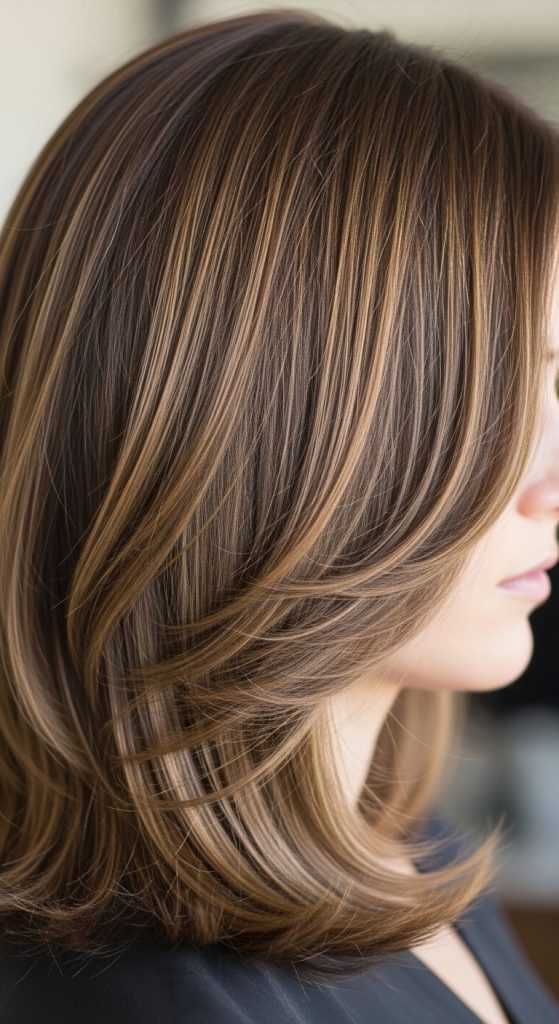
Long face-framing layers focus on contour rather than dramatic shortening. The overall length remains below the shoulders, while front sections are trimmed gradually to highlight cheekbones. The stylist angles the front pieces downward so they taper seamlessly into the rest of the hair. Graduation remains subtle to preserve density. This cut enhances dimension without altering length significantly. Blow-drying with a medium round brush directs layers away from the face. For natural texture, air drying with light shaping at the front is sufficient. This haircut is suitable for those hesitant to lose length but seeking visual change. It supports versatile styling options including ponytails and half-up styles. Because the layers are blended carefully, growth appears gradual and controlled. Maintenance includes refreshing front sections as needed. Long face-framing layers remain a trending Pinterest inspiration choice due to their softness and compatibility with multiple hair textures.
3. Classic Shoulder-Length Blunt Cut
Execution Process
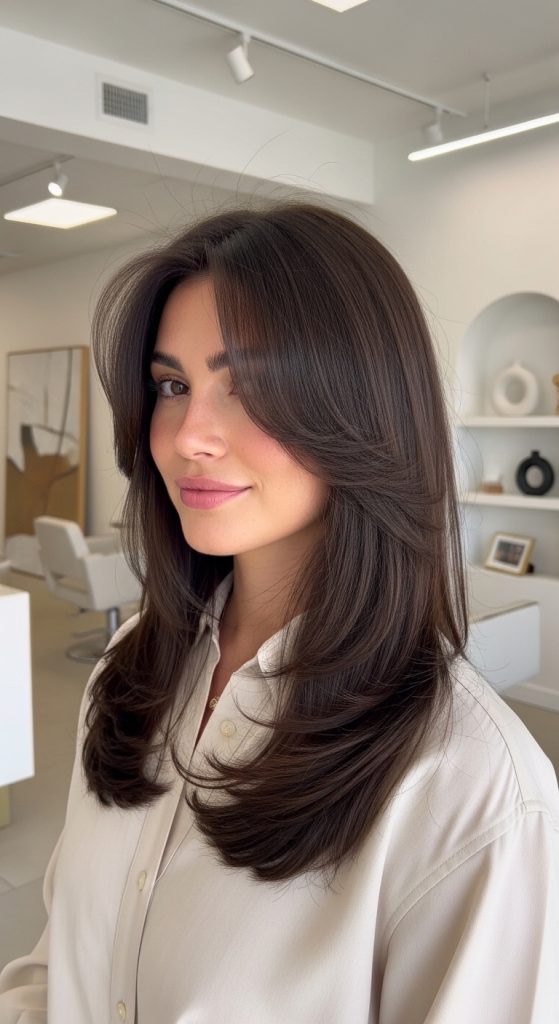
The classic shoulder-length blunt cut emphasizes precision. Hair is trimmed evenly at shoulder level, forming a straight horizontal line. Minimal layering ensures thickness remains consistent throughout the ends. This style suits fine hair because it enhances fullness. The stylist measures carefully to maintain symmetry and uses sharp cutting techniques to create clean edges. Styling typically involves smoothing the hair with a blow dryer and flat brush for a sleek finish. A slight inward curve at the ends softens the overall appearance. This haircut aligns with minimalist style trends that value clarity and simplicity. Maintenance is straightforward. Regular trims preserve the blunt line. Because layers are limited, styling time remains efficient. The blunt cut creates a polished silhouette that photographs well for Pinterest inspiration boards. It provides structure without requiring complex shaping. This simplicity contributes to its enduring popularity among those seeking a refined and professional look.
4. Curtain Bangs with Long Layers
How to Make
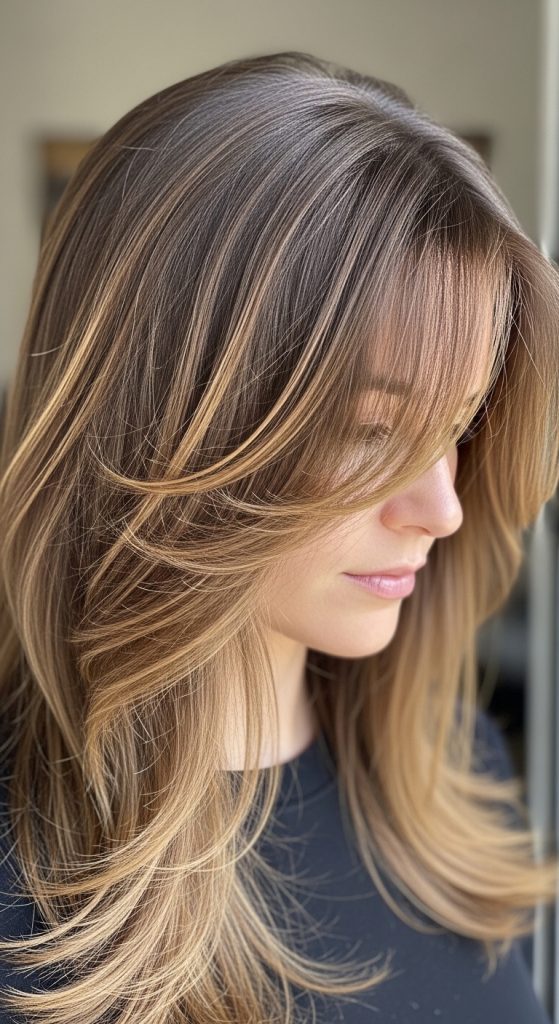
Curtain bangs paired with long layers create softness around the face. The bangs are cut to part naturally at the center and extend gradually toward the jawline. Long layers support movement without reducing overall length dramatically. The stylist trims the fringe slightly below the eyebrows and blends it outward. Styling involves using a round brush to lift the fringe away from the face. The remaining layers can be lightly curled for added dimension. This haircut works across multiple face shapes because it frames without overwhelming features. Maintenance includes trimming bangs every four to six weeks. The layered structure allows growth to remain manageable. Curtain bangs remain a consistent Pinterest trend because they update long hair without requiring drastic change. The result appears airy and balanced while maintaining length flexibility.
5. Textured Lob with Soft Waves
How to Create
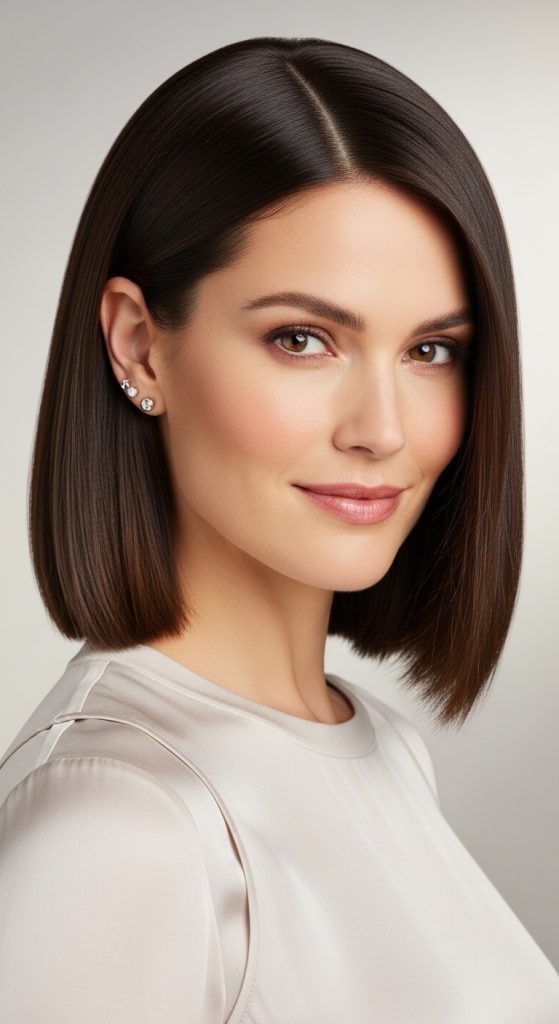
The textured lob, or long bob, falls just above or at the collarbone. Light layering and point cutting create subtle separation at the ends. This haircut supports natural waves and relaxed styling. The stylist maintains a slightly angled front to enhance dimension. Styling includes using a curling iron to create loose waves and brushing them out gently. Texture spray enhances separation. This cut is practical because it dries faster than longer hair. It suits medium density hair types and supports versatile parting options. Maintenance includes reshaping every six to eight weeks. The textured lob balances modern design and simplicity.
6. Feathered Long Cut
Execution Process
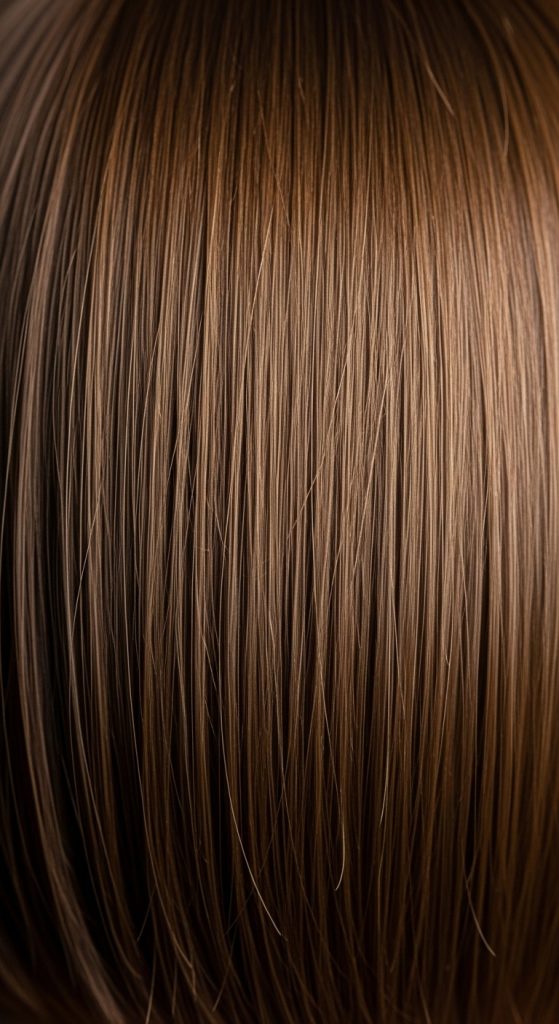
The feathered long cut uses soft, outward layering to create lightness. Layers are cut at angles to encourage lift. Blow-drying outward enhances feathered texture. This haircut reduces bulk in thick hair while maintaining overall length. Regular trimming keeps feathered ends fresh.
7. Chin-Length Bob with Volume
Step-by-Step Guide
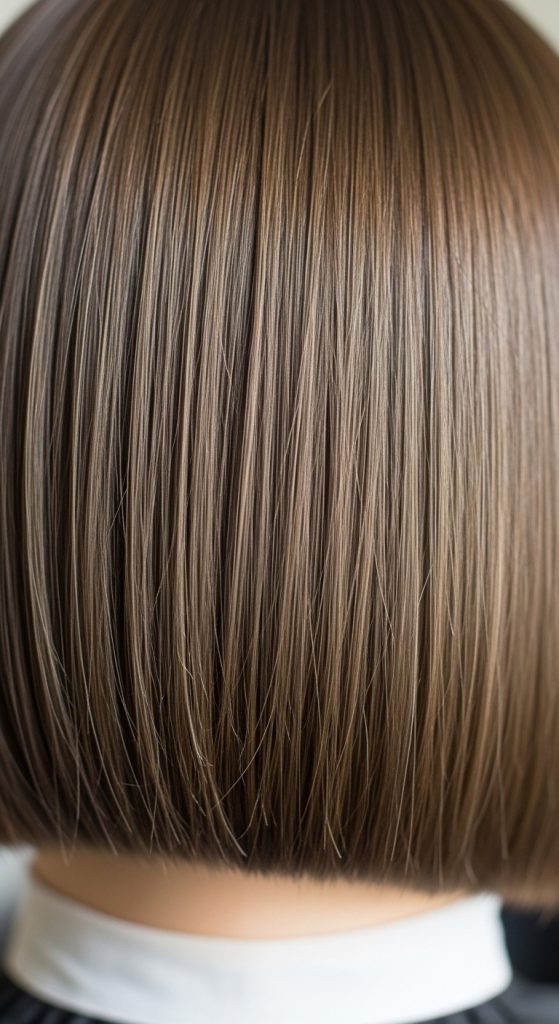
A chin-length bob creates structure and highlights the jawline. The stylist trims evenly around the chin and adds subtle internal layering for lift. Blow-drying upward at the roots enhances volume. This style requires consistent trimming to maintain precision.
8. Layered Cut with Wispy Fringe
How to Make
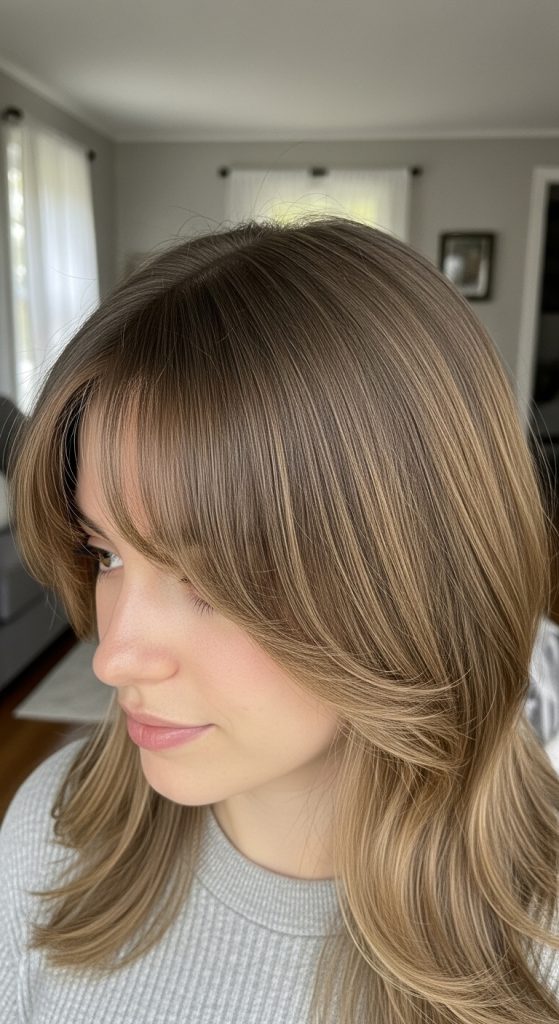
Wispy fringe introduces softness. Layers remain light and blended. The fringe sits slightly above the eyebrows. Styling requires minimal effort, often just light shaping. This haircut supports airy movement.
9. Mid Length Shag-Inspired Cut
Setup Method
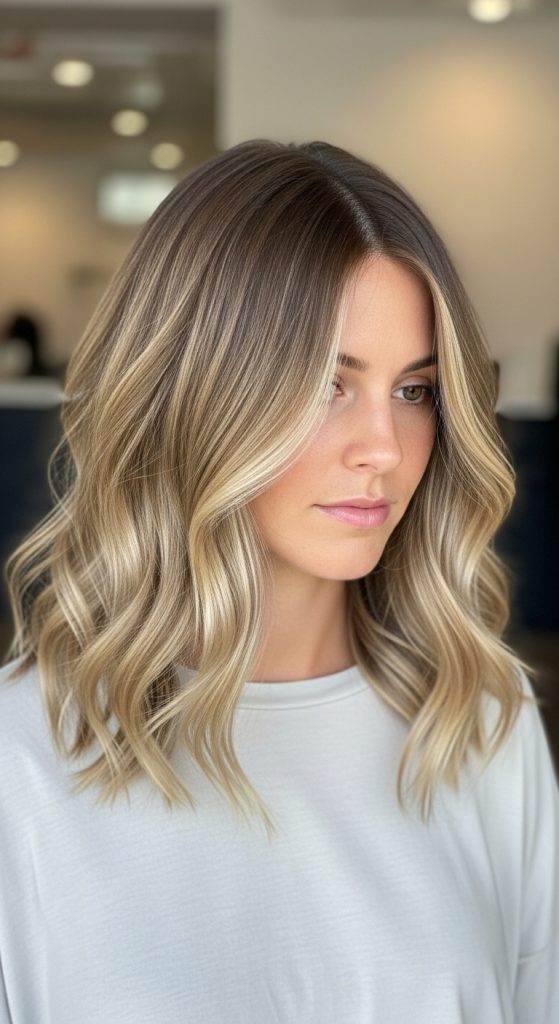
The shag-inspired cut incorporates layered crown sections and soft ends. It enhances movement and texture. Styling can be natural or lightly tousled. Regular trimming preserves structure.
10. Sleek Long Straight Cut with Subtle Layers
How to Create
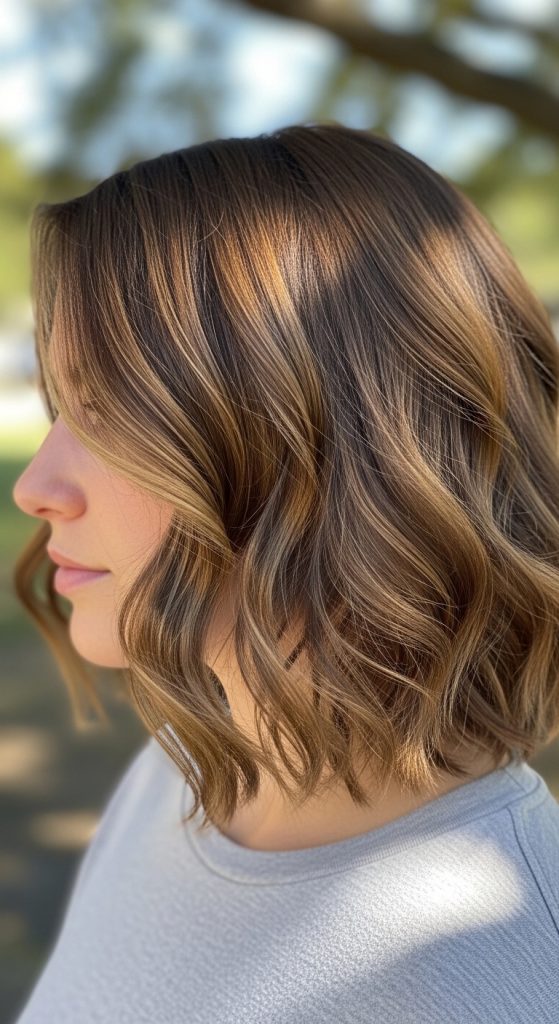
This style maintains long length with discreet internal layers. The outer shape remains smooth. Blow-drying with a paddle brush enhances shine. It suits fine to medium hair types and requires minimal maintenance.
Common Mistakes to Avoid
Over-layering can weaken structure. Cutting bangs without planning face shape leads to imbalance. Ignoring maintenance results in uneven growth. Consultation prevents these issues.
Practical Styling Tips
Use lightweight products. Protect hair from excessive heat. Trim regularly. Maintain balance between volume and smoothness.
Budget and Maintenance Planning
Schedule trims every six to eight weeks. Limit chemical processing. Invest in versatile styling tools. Planning ensures long-term hair health.
Expanding Inspiration with Color and Texture
Soft highlights enhance layers. Subtle balayage adds depth. Maintain harmony between cut and color for cohesive results.