

10 blonde highlights on brown hair
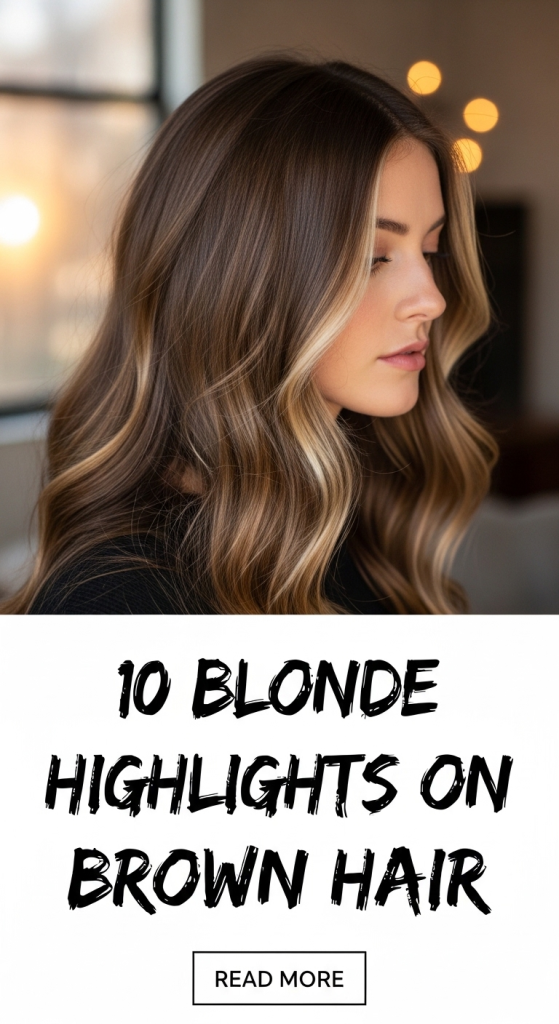
Blonde highlights on brown hair remain one of the most popular hair color transformations featured in modern beauty Pinterest ideas. This technique involves strategically lightening selected strands of brown hair to create contrast, dimension, and brightness. The process enhances natural hair tones while maintaining the depth and richness of the base color. Because the technique can be adapted to different shades of brown hair, it offers flexible options for achieving subtle or bold visual results.
Hair highlighting techniques are widely used in salon services and DIY color projects because they improve texture visibility and create the appearance of movement within the hair. Blonde highlights can range from soft, natural streaks to more dramatic, high-contrast effects depending on the chosen tone and placement method. Modern design trends in hair styling often focus on layered color transitions that blend smoothly from darker roots into lighter strands.
This article explores ten detailed blonde highlight techniques specifically designed for brown hair. Each method explains how color placement works, what materials are required, and how the highlighting process can be completed step by step. These creative ideas provide practical inspiration for achieving balanced, modern hair color results that remain beginner friendly while reflecting trending aesthetic styles.
Why This Idea Is Trending or Useful
Blonde highlights on brown hair continue to appear frequently in Pinterest inspiration boards because the technique adds depth and brightness without requiring a complete color transformation. Many individuals prefer highlights rather than full hair coloring because the natural brown base remains visible while lighter tones enhance the overall appearance. This combination creates a dimensional effect that looks natural and visually dynamic.
Another reason this style is trending involves its adaptability. Blonde highlights can be customized for different shades of brown hair, including light brown, medium brown, and dark chocolate tones. By adjusting the brightness of the blonde shade and the placement of highlighted strands, stylists can create results that range from subtle sunlit effects to high-contrast statement styles.
The highlighting technique also supports practical hair maintenance. Because the base color remains unchanged, hair regrowth is less noticeable compared to full-color treatments. This makes the style accessible for individuals who prefer low-maintenance hair care routines.
Additionally, many highlighting methods can be achieved through structured DIY tutorials. With the correct materials and careful planning, beginners can follow step by step processes to apply highlights at home. This accessibility contributes to the popularity of blonde highlights across modern beauty trends.
Materials and Preparation
Preparing for blonde highlights on brown hair requires careful planning and the correct materials to achieve even color distribution. The first step involves selecting a blonde shade that complements the existing brown hair color. Warmer blonde tones often blend well with medium or golden brown hair, while cooler blondes can create contrast against darker brown shades.
Essential materials include highlighting powder or lightening product, developer solution, a mixing bowl, application brush, and protective gloves. Foils or highlighting caps are also commonly used to separate strands during the coloring process. A tail comb helps section hair accurately and ensures even placement of highlights.
Preparation begins by dividing the hair into organized sections. This step helps control the application process and ensures the highlights appear balanced across the head. Hair should be clean and dry before applying the lightening mixture. Protective towels or capes should also be used to prevent staining clothing.
Before applying color, a strand test is recommended. This test allows the user to evaluate how the hair reacts to the lightening process and ensures the desired blonde tone can be achieved safely. Proper preparation improves color accuracy and helps maintain the overall health of the hair throughout the highlighting process.
MAIN IDEAS
Idea 1: Soft Honey Blonde Highlights
How to Create
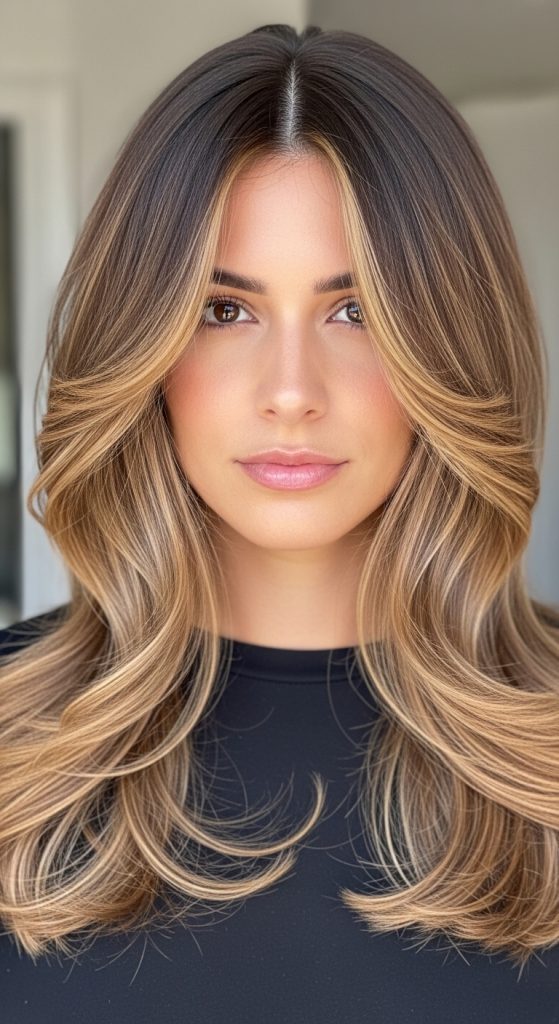
Soft honey blonde highlights create a warm and natural transition between brown hair and lighter tones. This highlighting technique focuses on blending golden blonde strands with medium or light brown hair to create subtle brightness. The honey tone contains warm undertones that complement brown hair without creating extreme contrast. As a result, the highlights appear sunlit and naturally integrated into the base color.
This style is frequently featured in Pinterest inspiration because it enhances natural hair texture. When highlights are placed around the face and along the top layers of hair, the lighter strands reflect light and create movement. The effect works particularly well on layered hairstyles because the color variation becomes visible throughout the hair structure.
Another advantage of honey blonde highlights is their versatility. The tone works well with both straight and wavy hair textures. The warm color also pairs easily with many skin tones, making it a common choice for individuals seeking a balanced color transformation. This highlighting approach maintains the richness of brown hair while introducing brightness that enhances overall depth and dimension.
Creating soft honey blonde highlights begins by sectioning the hair into manageable parts using a tail comb. Small strands are selected from the top and front layers where natural light typically hits the hair. These strands will receive the lightening mixture.
Mix the highlighting powder and developer according to the recommended ratio in a mixing bowl. Using an application brush, apply the mixture evenly along selected strands. Foils are then wrapped around each section to isolate the hair and allow the lightening process to develop.
Processing time varies depending on the starting brown shade and the desired blonde intensity. Once the hair reaches the honey blonde tone, rinse thoroughly with cool water. A moisturizing conditioner should be applied afterward to maintain hair softness and hydration. Proper sectioning and controlled application ensure the highlights appear evenly distributed and naturally blended.
Idea 2: Caramel Blonde Balayage
How to Create
Caramel blonde balayage highlights use a freehand painting technique to create a gradual transition between brown roots and lighter ends. Unlike traditional foil highlights, balayage allows the color to blend smoothly into the hair. The caramel tone introduces warmth while maintaining a natural appearance. This technique is widely shared among Pinterest creative ideas because it produces soft, dimensional results.
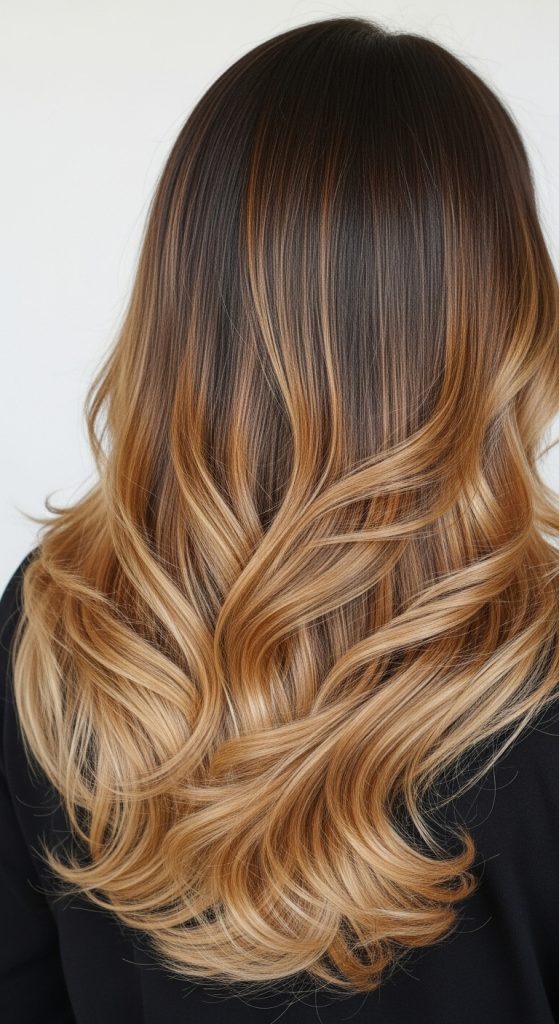
Balayage works by applying the lightening mixture in sweeping motions across selected sections of hair. The color placement typically focuses on mid-lengths and ends, leaving the roots darker. This creates a natural gradient effect that resembles sun-lightened hair. Because the transition between shades is gradual, the style appears effortless and modern.
The caramel blonde shade contains golden undertones that enhance brown hair without overwhelming it. This balance allows the highlights to appear warm and radiant rather than overly bright. The technique is particularly effective for medium or dark brown hair because it introduces contrast while maintaining harmony between colors.
To perform caramel balayage highlights, begin by dividing the hair into horizontal sections. Using an application brush, paint the lightening mixture onto the mid-lengths and ends of selected strands. The brush strokes should move downward to create a soft blending effect.
Foils are not always required for balayage, but they can be used to separate sections if needed. After the mixture develops, rinse the hair thoroughly and apply a conditioning treatment.
The finished result should display gradual transitions from brown roots to caramel blonde highlights. Proper placement ensures the color appears naturally distributed throughout the hair.
Idea 3: Face-Framing Blonde Highlights
How to Create
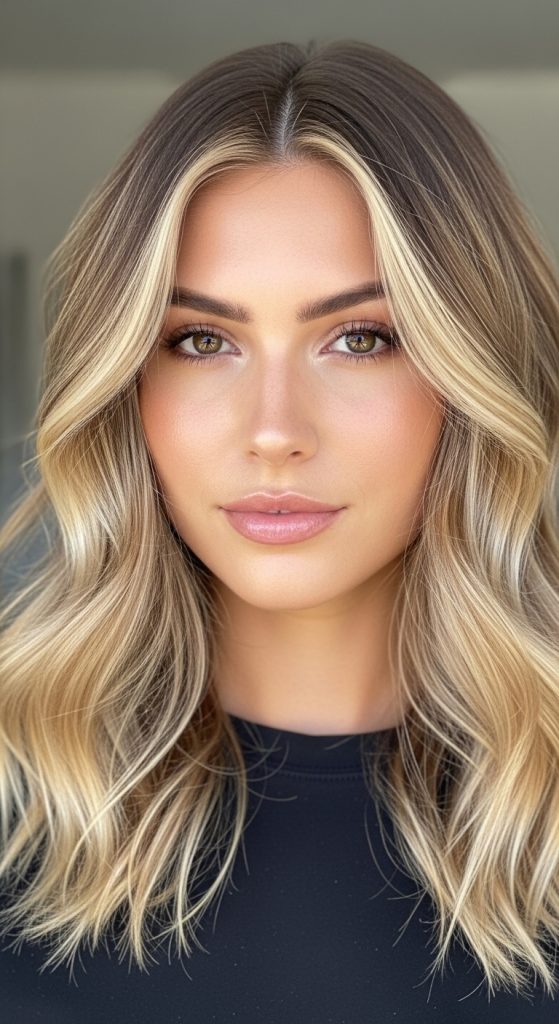
Face-framing blonde highlights focus on brightening the strands that surround the face. This technique is designed to highlight facial features by adding light contrast near the front sections of hair. Instead of distributing highlights evenly across the entire head, the color is concentrated around the hairline and front layers.
Pinterest inspiration frequently features this highlighting style because it produces noticeable brightness without requiring full head coloring. The lighter strands frame the face and create a fresh appearance while the rest of the brown hair remains mostly untouched. This selective placement method allows the hairstyle to maintain depth while still introducing visible highlights.
Face-framing highlights work particularly well with layered hairstyles and long hair lengths. When the lighter strands fall naturally around the face, they create movement and visual dimension. The technique can be combined with other highlighting methods to enhance the overall effect.
To create face-framing highlights, begin by isolating the front hair sections near the temples and hairline. These strands should be thin enough to blend smoothly with surrounding hair.
Apply the lightening mixture evenly using an application brush. Wrap the highlighted strands in foil to allow the lightening process to develop effectively.
Once the hair reaches the desired blonde tone, rinse and condition thoroughly. The final result should display brighter strands around the face while maintaining the natural richness of the brown base color.
Idea 4: Ash Blonde Highlights
How to Create
Ash blonde highlights introduce cooler tones into brown hair to create a modern, refined appearance. Unlike warm blonde shades, ash blonde contains subtle gray undertones that reduce warmth and create a muted finish. This technique is commonly used to balance brown hair that naturally contains warm pigments.
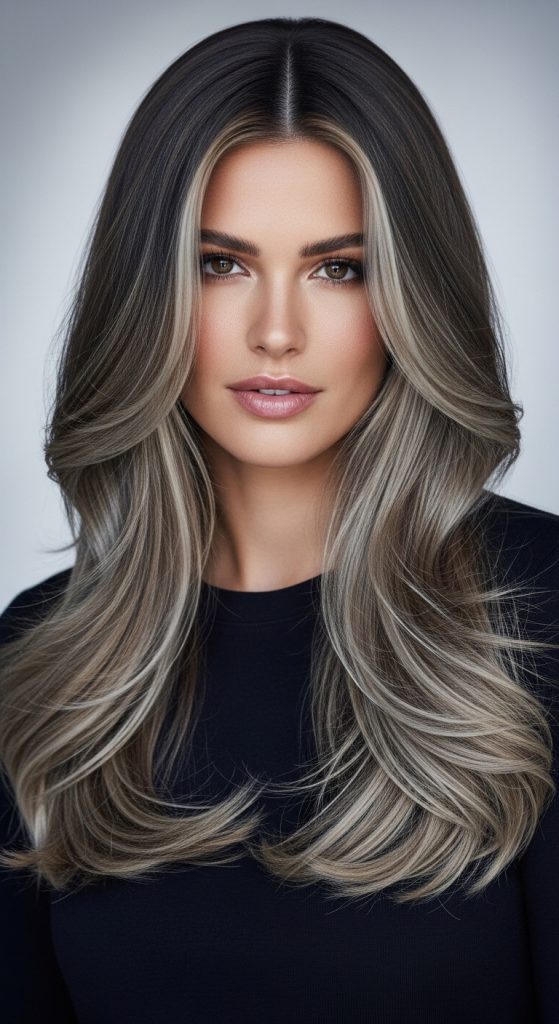
Ash highlights appear frequently in modern design trends because they produce a sophisticated and minimalist aesthetic. The cooler tone creates contrast against brown hair while maintaining a soft overall appearance. This makes the style suitable for individuals who prefer understated color transformations.
To create ash blonde highlights, select thin strands evenly throughout the hair and apply lightener using foils. After lightening, a toner with cool undertones is applied to neutralize unwanted warmth and achieve the ash blonde shade.
Idea 5: Golden Blonde Ribbon Highlights
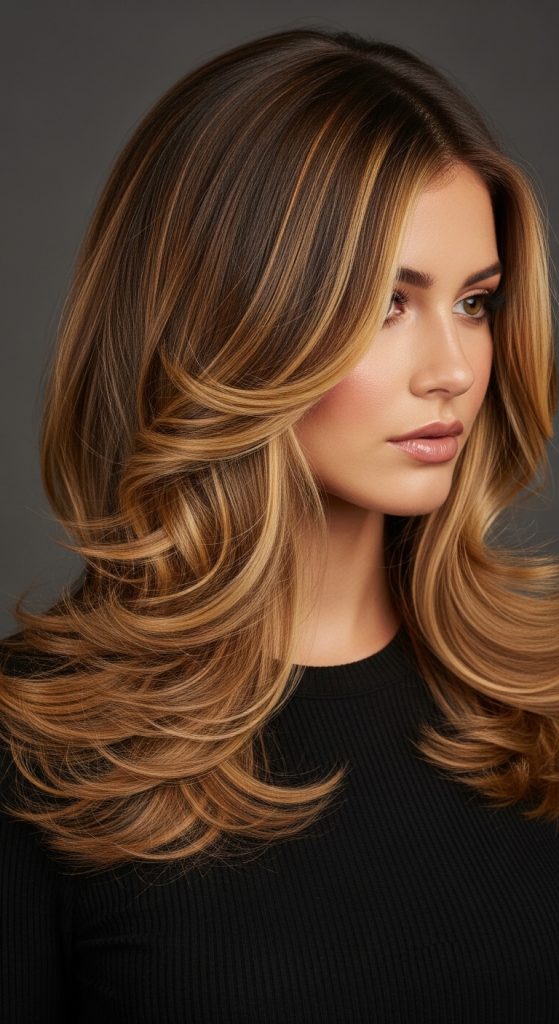
How to Create
Golden ribbon highlights involve placing slightly thicker blonde sections through the hair to create visible streaks of brightness. The golden tone introduces warmth while the ribbon placement creates dramatic dimension.
To achieve this style, larger strands are selected and lightened using foil highlighting techniques. Once developed, the golden blonde tone blends with the brown base to create layered color variation.
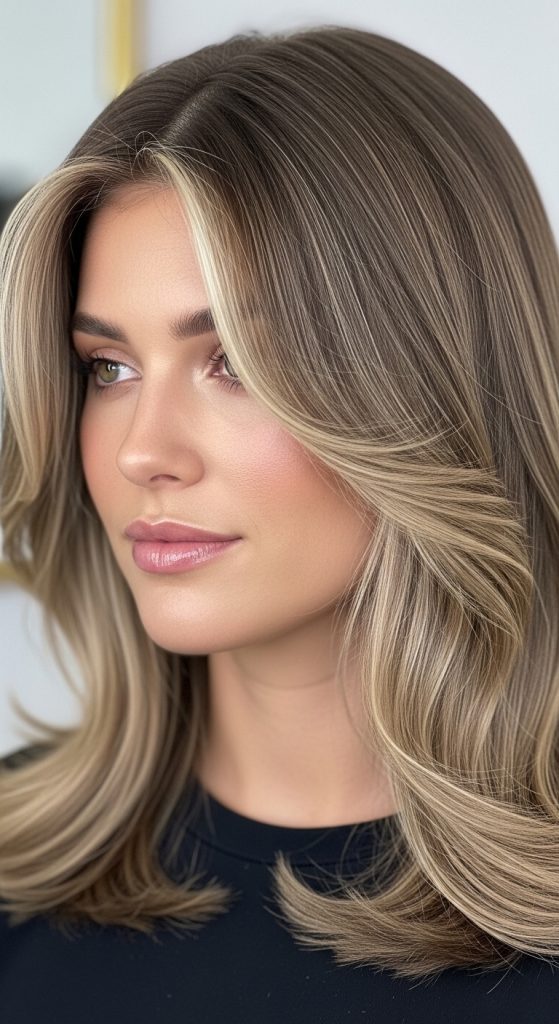
Idea 6: Subtle Beige Blonde Highlights
How to Create
Beige blonde highlights combine warm and cool tones to create balanced brightness in brown hair. The neutral shade works well for individuals seeking natural-looking color transitions.
Thin strands are selected across the hair and lightened evenly. After processing, a beige toner is applied to create the soft neutral shade.
Idea 7: Platinum Accent Highlights
How to Create
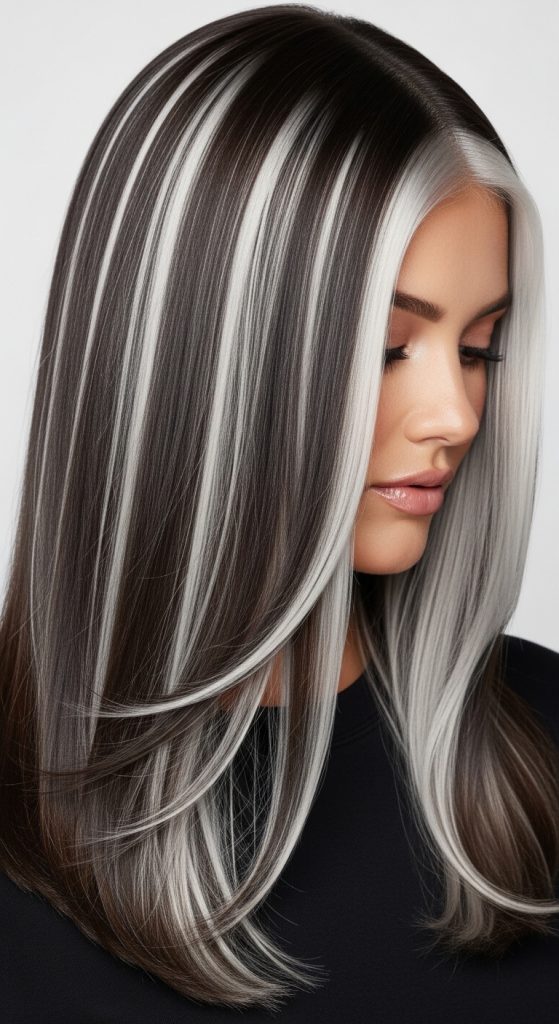
Platinum accent highlights create strong contrast against dark brown hair. Only a few sections are lightened to achieve a bright platinum tone, allowing the color to stand out.
Foils are used to isolate selected strands. After lightening, a platinum toner refines the shade.
Idea 8: Sandy Blonde Layer Highlights
How to Create
Sandy blonde highlights focus on layered hair sections to emphasize movement. The sandy tone contains neutral undertones that blend easily with brown hair.
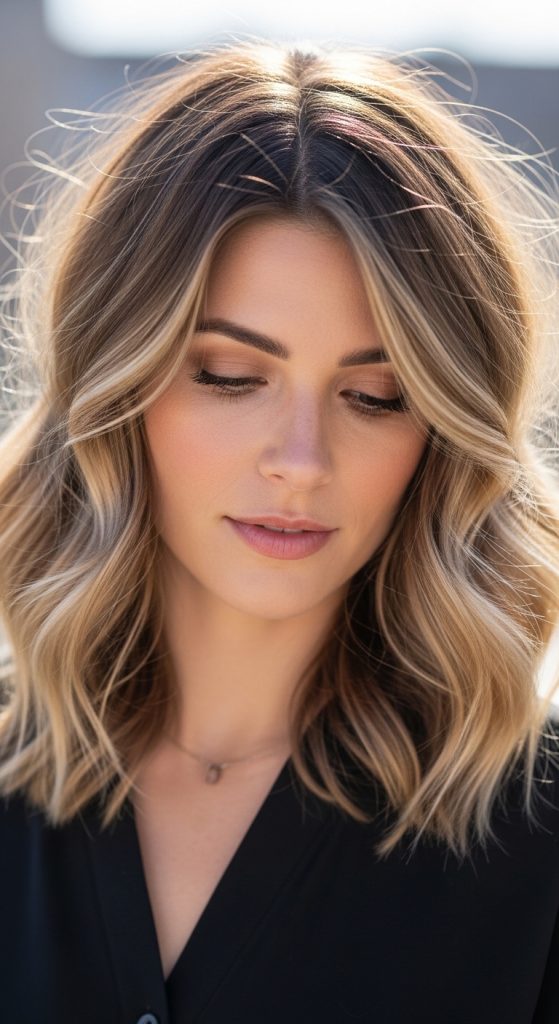
Highlights are placed primarily along mid-lengths and ends to emphasize hair layers.
Idea 9: Sun-Kissed Blonde Highlights
How to Create
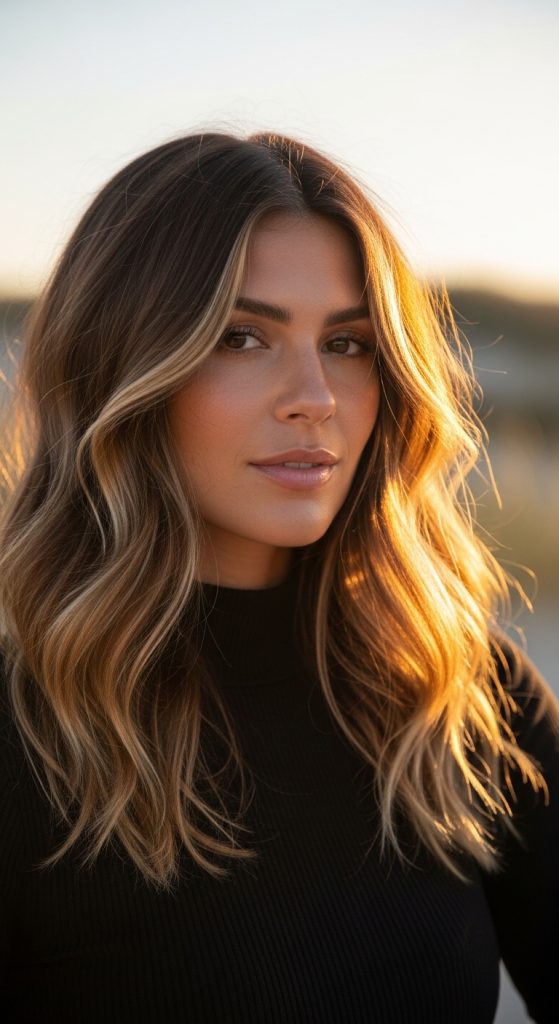
Sun-kissed highlights replicate the natural lightening effect created by sunlight. The color placement focuses on top layers and ends.
Lightener is applied lightly across the outer hair sections to mimic natural brightness.
Idea 10: Multi-Tonal Blonde Highlights
How to Create
Multi-tonal highlights combine several blonde shades to create depth and complexity. By mixing warm and cool tones, the hair appears more dimensional.
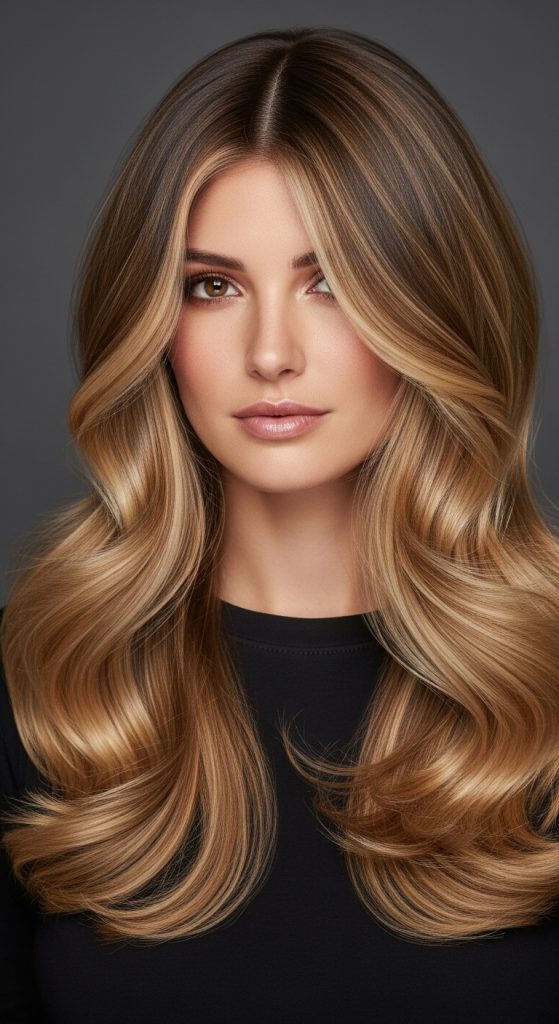
Thin strands are lightened and toned with different blonde shades to achieve the layered effect.
Common Beginner Mistakes and How to Avoid Them
One common mistake when applying highlights is selecting strands that are too large. Thick sections create uneven color distribution and disrupt the natural blending effect. Using thin, evenly spaced strands ensures the highlights integrate smoothly with the brown base color.
Another issue involves overprocessing the hair during the lightening process. Leaving the lightener on for too long can damage the hair and produce overly bright results. Monitoring development time carefully prevents excessive lightening.
Incorrect toner selection can also affect the final color. Choosing a toner that complements the blonde shade ensures balanced results.
Practical Tips for Better Results
Maintaining highlighted hair requires consistent care. Using conditioning treatments helps preserve moisture and prevents dryness after lightening.
Spacing highlights evenly across the hair also improves visual balance. Strategic placement enhances dimension without overwhelming the base color.
Styling, Presentation, or Organization Ideas
Highlighted hair often appears more dimensional when styled with waves or soft curls. The movement created by textured styling allows the blonde tones to reflect light.
Organizing highlights around face-framing layers can further enhance visual impact.
Budget or Time Planning
Highlighting projects should be scheduled carefully to allow sufficient processing time. Rushing the application process may result in uneven color.
Planning the highlighting process step by step ensures controlled results.
Creative Expansion and Advanced Inspiration
Advanced highlighting techniques may combine balayage, foil highlights, and tonal layering to create complex color transitions. These creative approaches introduce greater depth and texture to brown hair while maintaining a balanced aesthetic.

