
10 Cute Edgy Hairstyles Ideas
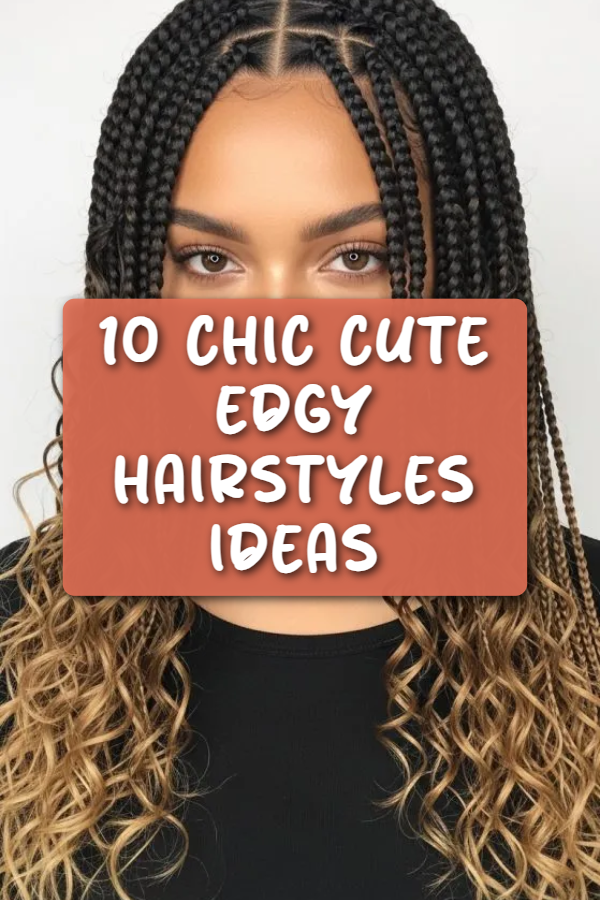
Cute edgy hairstyles combine playful elements with sharp, structured details to create a balanced and modern appearance. These Pinterest ideas focus on styles that mix softness with defined shapes, allowing individuals to express creativity while maintaining a polished look. Edgy hairstyles often include asymmetry, texture, or unexpected details, while the “cute” aspect softens the overall effect through gentle shapes or simple finishes. This combination results in hairstyles that are both visually interesting and practical for everyday wear.
This article presents ten cute edgy hairstyle ideas designed as beginner friendly DIY projects. Each style is explained through a clear step by step approach, ensuring that readers can understand both the concept and execution. These hairstyles are suitable for different settings, including casual environments and creative professional spaces. The focus remains on achieving a structured result while maintaining flexibility and ease of styling. By following organized methods and using basic materials, these creative projects provide inspiration for developing unique and balanced hairstyles that remain functional and visually appealing.
Why This Idea Is Trending or Useful
Cute edgy hairstyles are trending because they reflect a shift toward personalized and expressive styling. Many Pinterest ideas highlight looks that combine contrasting elements, such as soft textures with sharp lines. This approach allows individuals to create distinctive appearances without relying on overly complex techniques.
These hairstyles offer practical value by balancing structure and flexibility. Edgy elements such as defined sections or asymmetry provide long-lasting shape, while softer components maintain comfort and adaptability. This combination makes the styles suitable for various occasions and environments.
The DIY appeal contributes to their popularity. Most of these hairstyles can be created using simple tools and materials, making them accessible for beginners. The ability to adjust details such as volume, texture, or placement allows for customization. This flexibility ensures that each hairstyle can be adapted to individual preferences while maintaining a modern and aesthetic design.
Materials and Preparation
Preparing for cute edgy hairstyles requires a combination of basic tools and thoughtful planning. Essential materials include a comb, brush, hair ties, clips, pins, and light styling products. These tools support precision and help maintain control during the styling process.
Begin by detangling the hair thoroughly to create a smooth base. Clean and dry hair is ideal for most styles, as it allows better control and definition. Sectioning is often necessary for edgy hairstyles, as it helps create clear lines and organized patterns.
Planning the hairstyle in advance is important for achieving balance. Identify key elements such as twists, braids, or asymmetrical sections before starting. Use minimal styling product to maintain flexibility while ensuring hold. Proper preparation ensures that each hairstyle remains structured, consistent, and visually appealing throughout the day.
Idea 1: Half-Up Spiky Twist
How to Create
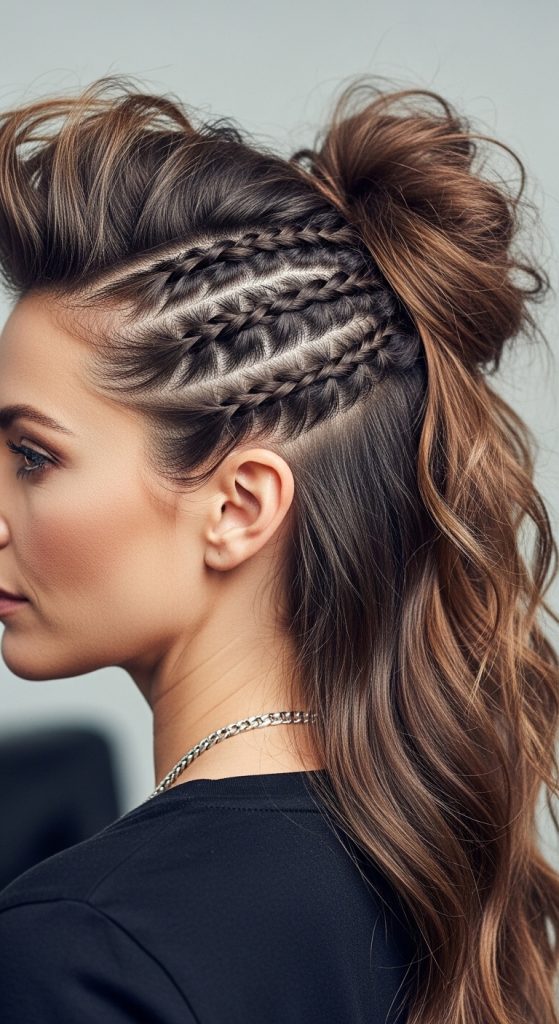
The half-up spiky twist combines a soft base with a defined, edgy upper section. This style creates contrast by keeping the lower hair loose while adding sharp texture to the top portion. It is suitable for casual settings where a creative yet controlled look is desired.
To create this hairstyle, section the top half of the hair and divide it into smaller parts. Twist each section tightly and secure them together at the back. Slightly separate the ends of the twists to create a spiky effect. Leave the remaining hair loose for balance. Adjust the placement of the twists to ensure symmetry. This step by step method produces a hairstyle that combines softness with defined structure.
Idea 2: Asymmetrical Side Braid
Step-by-Step Guide
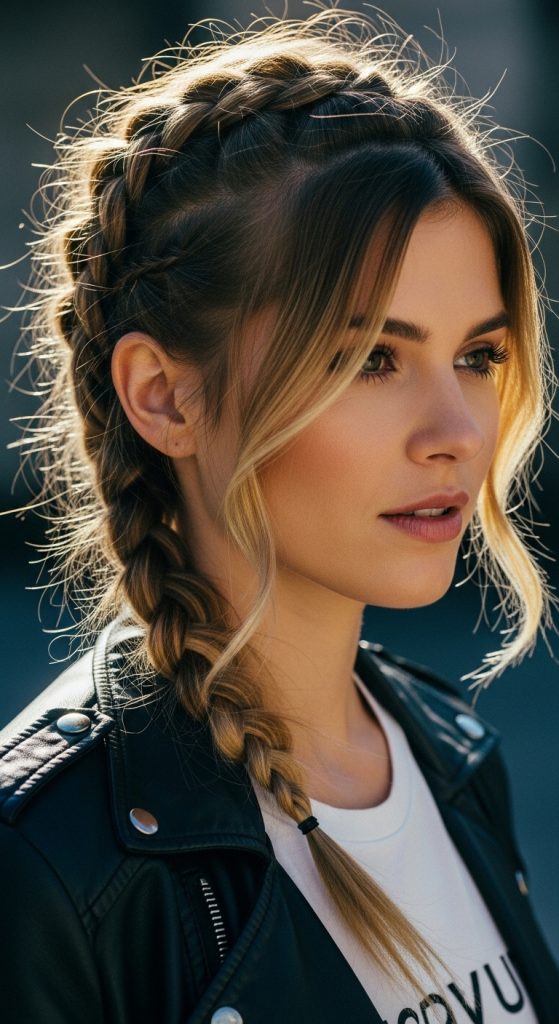
The asymmetrical side braid introduces an uneven design that creates a strong visual impact. This style focuses on shifting the braid to one side, adding an edgy element while maintaining simplicity.
Sweep the hair to one side and divide it into sections for braiding. Create a braid that starts closer to the front on one side and gradually moves downward. Secure the braid with a tie and adjust the tension for consistency. Leave some loose strands on the opposite side for contrast. This method creates a balanced yet dynamic hairstyle.
Idea 3: Textured High Ponytail
How to Make
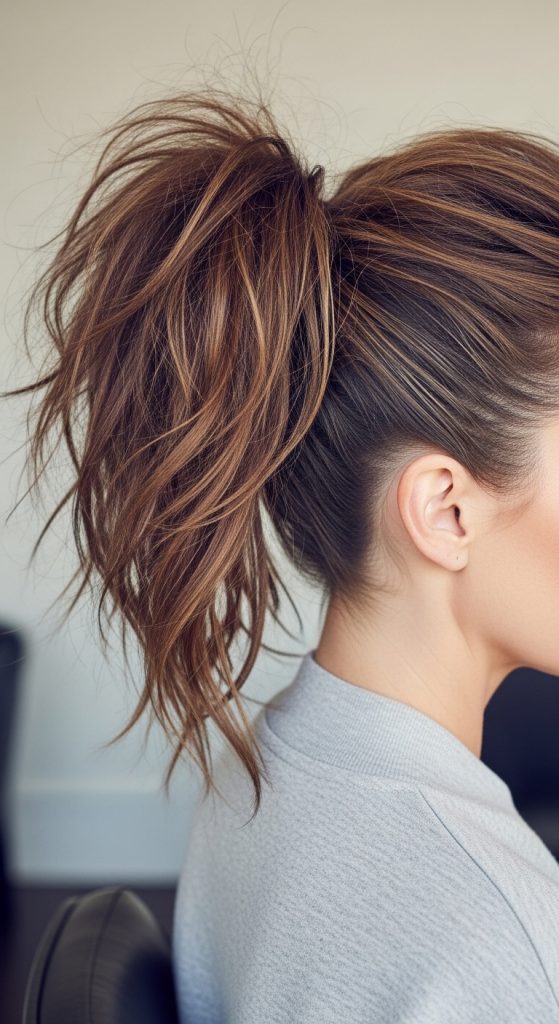
The textured high ponytail adds volume and irregular texture to a classic hairstyle. This style enhances the traditional ponytail by introducing a slightly uneven and layered appearance.
Gather the hair into a high ponytail and secure it with a tie. Use a comb or fingers to add texture to the ponytail by gently separating sections. Maintain smooth sides while allowing the ponytail to remain slightly tousled. Adjust the height and shape for balance. This approach creates a modern and edgy variation of a simple style.
Idea 4: Mini Braids with Loose Hair
Execution Process
Mini braids combined with loose hair create a subtle edgy effect without overwhelming the overall look. This style focuses on adding small, detailed elements to a natural base.
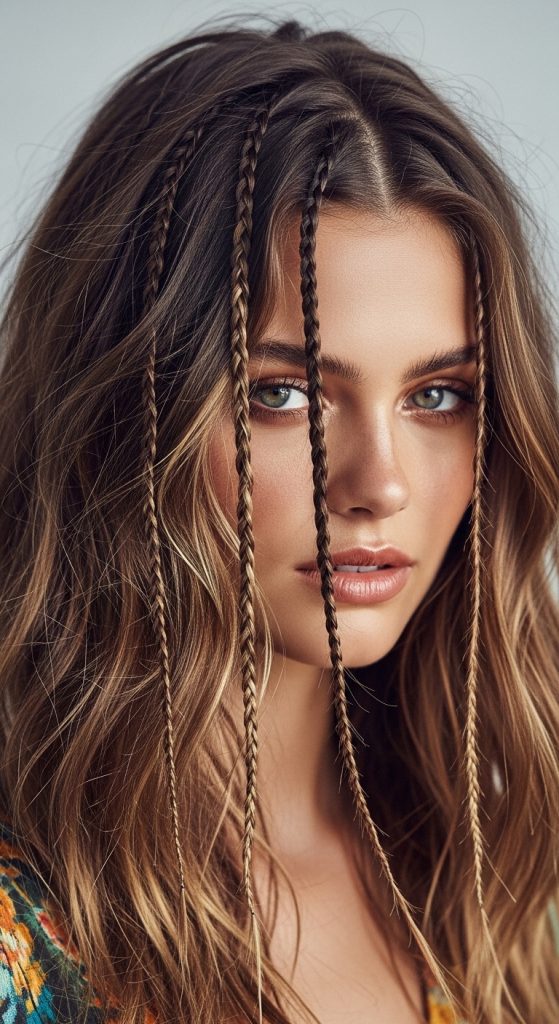
Select a few small sections of hair and create thin braids. Secure each braid with a small tie. Leave the rest of the hair loose and natural. Position the braids strategically to frame the face or add variation. This method produces a simple yet distinctive hairstyle.
Idea 5: Messy Double Buns
How to Create
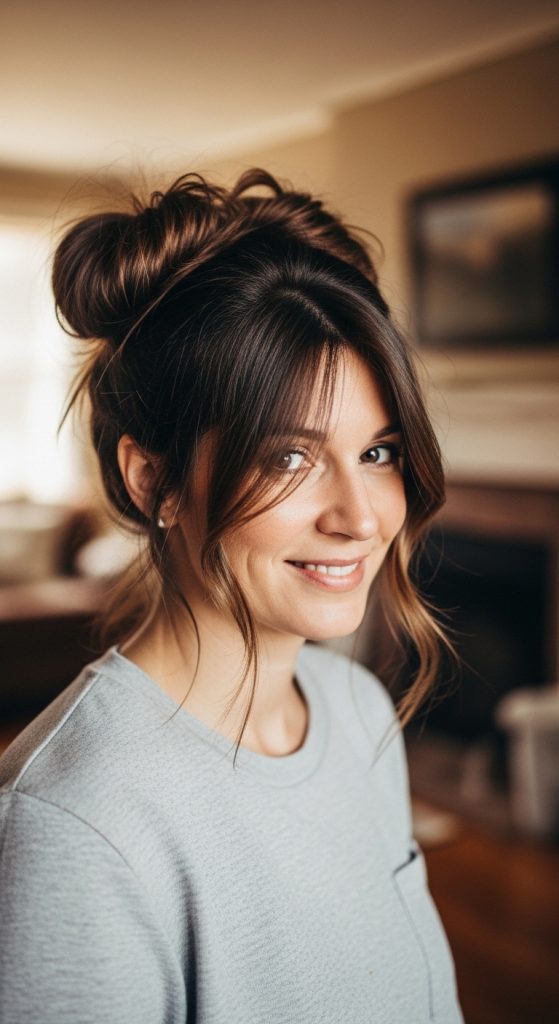
Messy double buns combine symmetry with a relaxed and slightly undone appearance. This style creates an edgy look through its shape while maintaining a playful and approachable feel.
Divide the hair into two equal sections. Twist each section into a bun and secure with ties or pins. Allow some strands to remain loose to create a messy effect. Adjust the buns to ensure they are evenly positioned. This method creates a balanced and creative hairstyle.
Idea 6: Slick Side Part with Texture
Setup Method
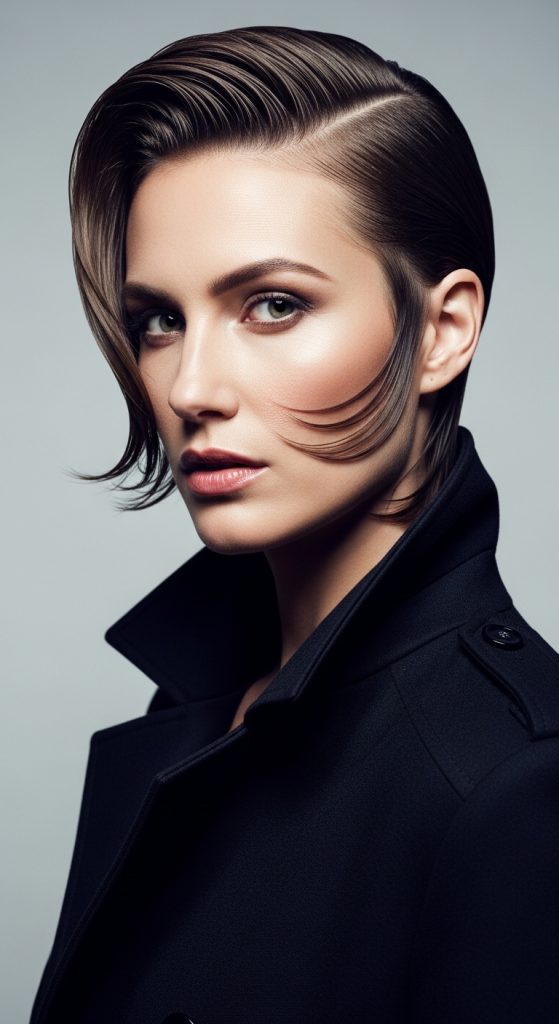
This hairstyle combines a sleek side part with textured ends, creating contrast between smooth and uneven elements. It is suitable for both casual and formal environments.
Create a clear side part using a comb. Smooth the hair on both sides while adding light texture to the ends using fingers or a styling product. Maintain a controlled top section while allowing slight movement at the bottom. This method creates a structured yet flexible hairstyle.
Idea 7: Braided Crown with Loose Ends
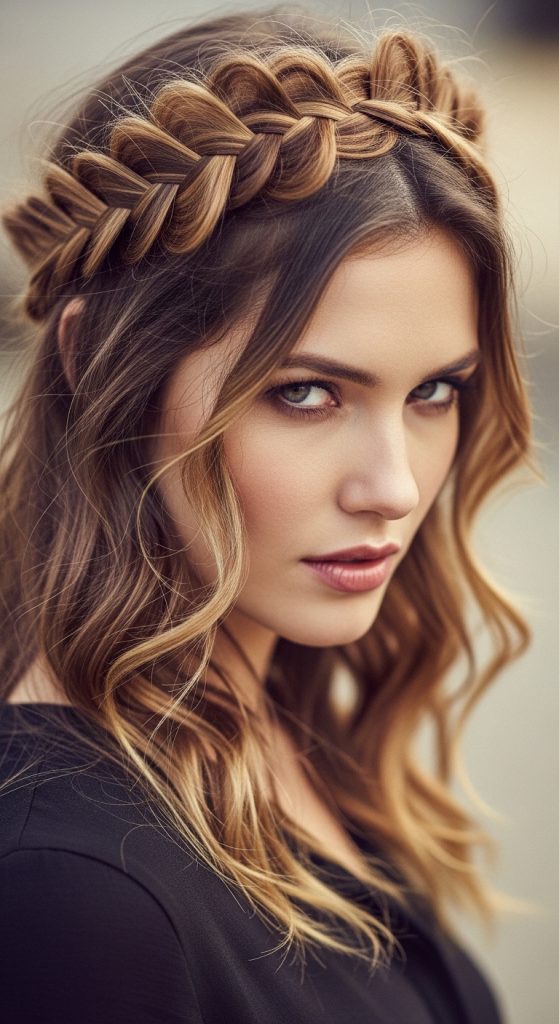
How to Make
The braided crown with loose ends combines a structured braid with relaxed hair. This style creates a balance between control and softness, resulting in a visually engaging look.
Create a braid along the hairline, wrapping it around the head. Secure the braid with pins. Leave the ends loose and natural. Adjust the braid placement to ensure symmetry. This method produces a detailed and balanced hairstyle.
Idea 8: Twisted Half-Up Sections
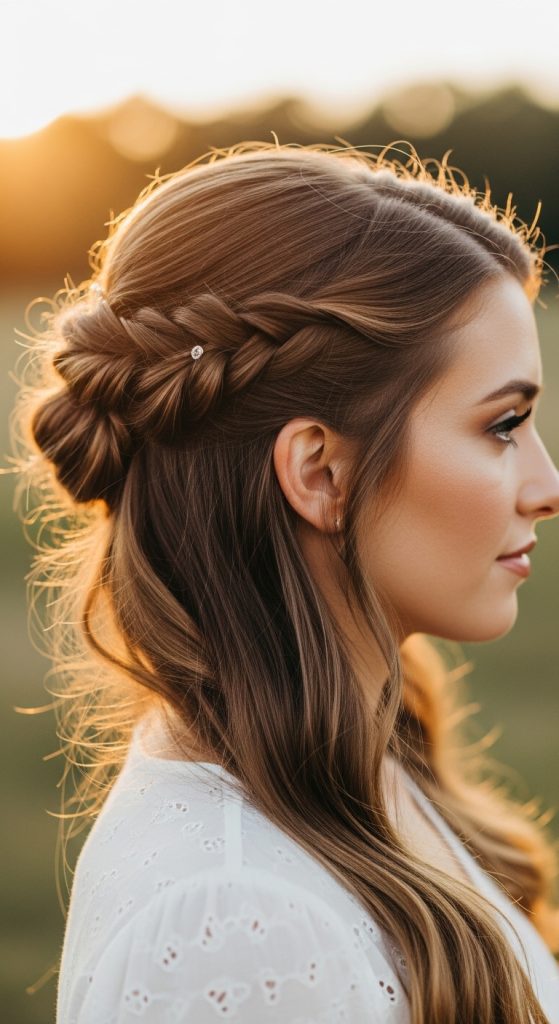
Step-by-Step Guide
Twisted half-up sections create an edgy pattern while maintaining simplicity. This style focuses on adding defined twists to the upper portion of the hair.
Section the top part of the hair and divide it into smaller sections. Twist each section and secure them at the back. Leave the lower hair loose. Adjust the twists to ensure even spacing and alignment. This method creates a structured and modern hairstyle.
Idea 9: Low Ponytail with Braided Detail
How to Create
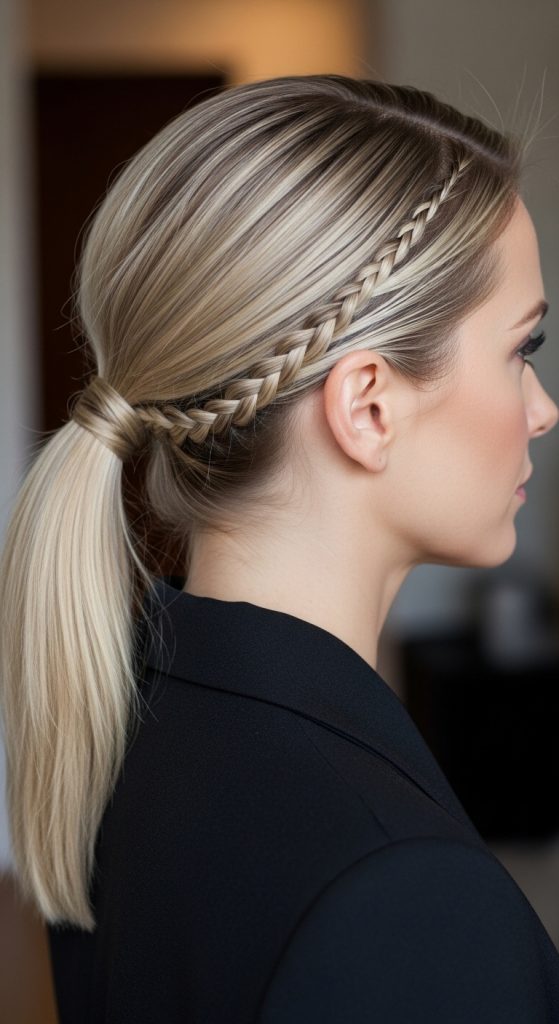
The low ponytail with braided detail adds a small but noticeable edgy element to a simple base. This style is practical and easy to maintain.
Create a small braid on one side of the head. Gather all hair into a low ponytail, incorporating the braid. Secure with a tie and adjust for balance. Ensure the braid remains visible. This method produces a clean and slightly edgy hairstyle.
Idea 10: Layered Bubble Ponytail
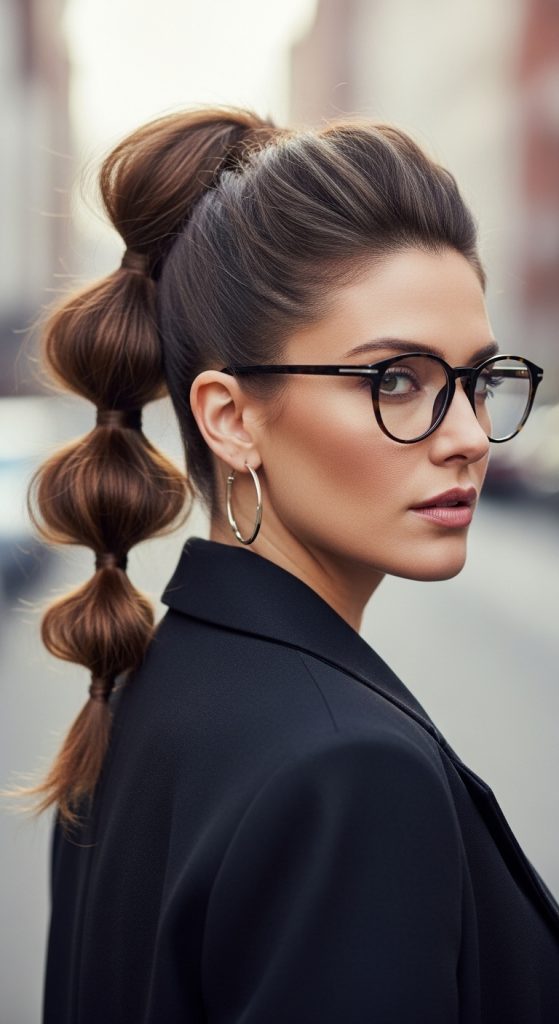
Execution Process
The layered bubble ponytail combines bubble sections with layered texture. This style creates a dynamic and structured appearance while remaining easy to achieve.
Secure the hair into a ponytail and add hair ties at intervals to form bubbles. Gently pull each section to create volume. Adjust the spacing to maintain consistency. Add light texture to the ends for variation. This method creates a playful and structured hairstyle.
Common Beginner Mistakes and How to Avoid Them
One common mistake is overcomplicating the hairstyle, which can lead to an unbalanced result. Focus on one or two key elements to maintain clarity. Another issue is uneven sectioning, which affects symmetry and alignment. Always divide the hair carefully before starting.
Using too much styling product can reduce natural movement and create a heavy appearance. Apply products in small amounts. Skipping adjustments during the process can result in uneven shapes. Take time to refine each section.
Avoiding these mistakes ensures a clean and well-structured hairstyle.
Practical Tips for Better Results
Work with small sections to maintain control and accuracy. Use mirrors to check alignment from different angles. Adjust each section gradually to achieve balance.
Keep tools organized and within reach to improve efficiency. Practice basic techniques such as twisting and braiding to improve consistency.
These tips help achieve a polished and reliable result while maintaining ease of execution.
Styling, Presentation, or Organization Ideas
Coordinate hairstyles with clothing and accessories to create a cohesive appearance. Maintain balance between edgy and soft elements to avoid visual clutter.
Organize tools and materials before starting to streamline the process. Keep the styling area clean and well-lit.
Proper presentation enhances both the functionality and aesthetic of the hairstyle.
Budget or Time Planning
Cute edgy hairstyles require minimal materials, making them suitable for budget ideas. Basic tools such as combs and hair ties are sufficient for most styles.
Plan the hairstyle based on available time. Simpler styles can be completed quickly, while more detailed designs may require additional time.
Efficient planning ensures consistent results without unnecessary effort.
Creative Expansion and Advanced Inspiration
Expand these hairstyles by combining multiple techniques such as braiding, twisting, and sectioning. Experiment with asymmetrical designs and layered textures to create new variations.
Introduce subtle accessories or adjust placement to suit different occasions. Explore advanced patterns to enhance complexity while maintaining structure.
Continuous experimentation supports creative growth and allows for the development of unique and personalized hairstyles.