10 Butterfly Cut Side Part

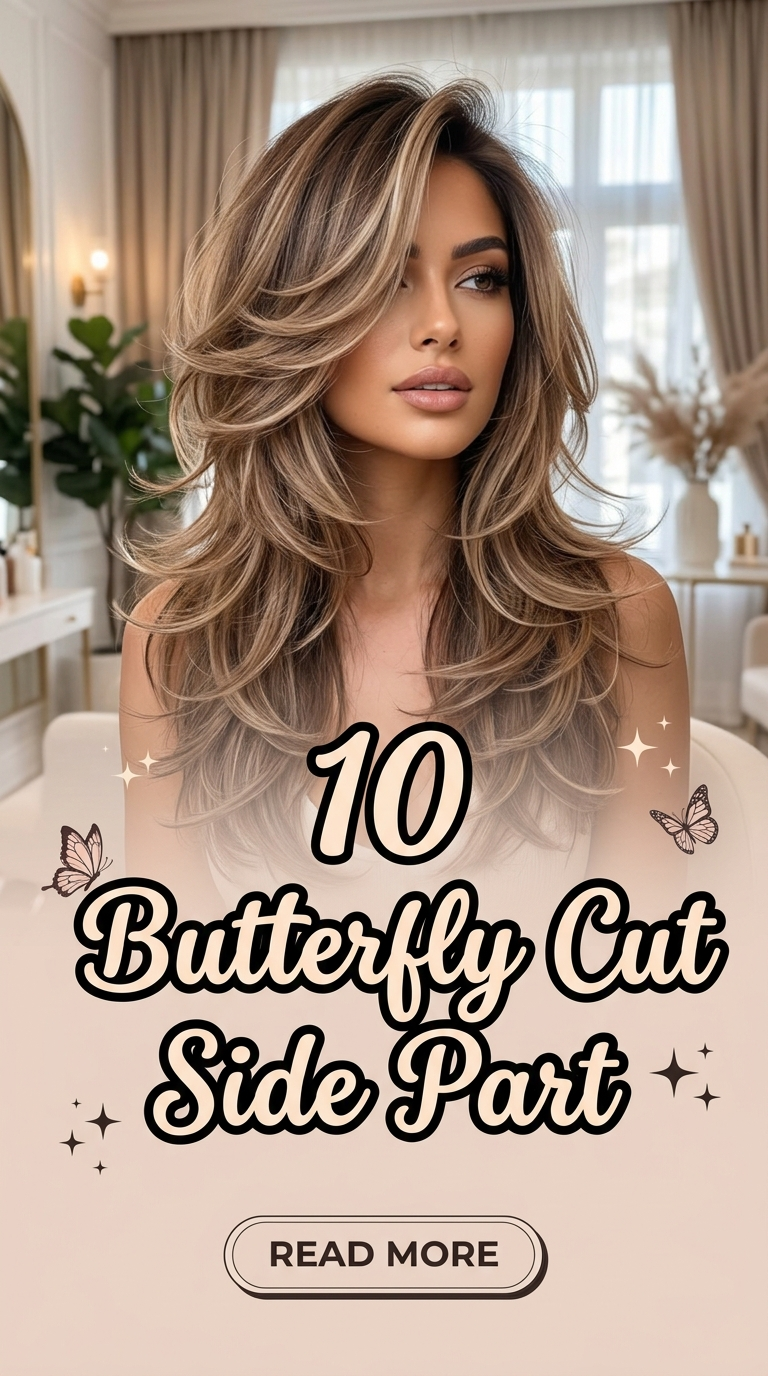
The butterfly cut side part is a layered haircut technique designed to create dramatic movement while preserving overall length. The term “butterfly cut” refers to a dual-layer structure where shorter layers frame the face and crown, while longer layers remain underneath to maintain length. When combined with a side part, this haircut produces enhanced volume and asymmetry that adds softness and lift.
On Pinterest ideas boards, this look is widely saved because it photographs beautifully and works across different hair textures. The side part shifts weight distribution, allowing layers to cascade naturally and create dimension.
Unlike blunt cuts, the butterfly cut relies on graduated layering. Graduation means layers progressively increase in length to prevent harsh transitions. This structure supports natural body and flow. The haircut is suitable for medium to long hair and adapts to straight, wavy, and lightly curly textures. This guide explores ten structured variations of the butterfly cut side part, explaining execution, styling techniques, and maintenance considerations for long-term shape retention.
Why the Butterfly Cut Side Part Is Trending in Hair Inspiration Boards
The butterfly cut side part remains a trending hairstyle because it combines volume, softness, and flexibility in one structured design. Pinterest inspiration trends often highlight haircuts that look full without appearing heavy. The layered structure of the butterfly cut removes weight internally while preserving visible length. The side part enhances the illusion of thickness by concentrating more hair on one side. This creates natural lift at the crown and movement through the front layers. Another reason for its popularity is versatility. The haircut can be styled smooth and polished or textured and voluminous. It adapts easily to professional and casual settings. Additionally, this cut grows out more gracefully than sharply defined styles because the layers blend into each other gradually. For individuals seeking aesthetic transformation without dramatic shortening, the butterfly cut side part provides a balanced option. It supports natural styling methods while still offering structured shape, which aligns with modern design preferences in hair trends.
Planning the Cut: Consultation, Texture Assessment, and Layer Strategy
Before choosing a butterfly cut side part, proper consultation ensures the layers complement natural hair characteristics. Begin by assessing density. Thick hair benefits from internal layering to reduce bulk. Fine hair requires careful graduation to prevent thin ends. Texture also influences execution. Straight hair reveals layering more visibly, while wavy hair enhances movement organically. Discuss desired length clearly, especially where the shorter “top layer” should begin. Typically, butterfly layers start around the chin or collarbone, depending on face shape.
The side part should align with natural growth patterns to prevent styling difficulty. Understanding sectioning technique is important. The stylist divides hair into crown and lower sections, cutting the upper section shorter to create lift. Maintenance expectations should also be reviewed. Regular trims every six to eight weeks preserve layer definition. Clear planning ensures that the haircut supports both volume goals and everyday manageability without excessive styling time.
1. Classic Butterfly Cut with Deep Side Part
How to Create
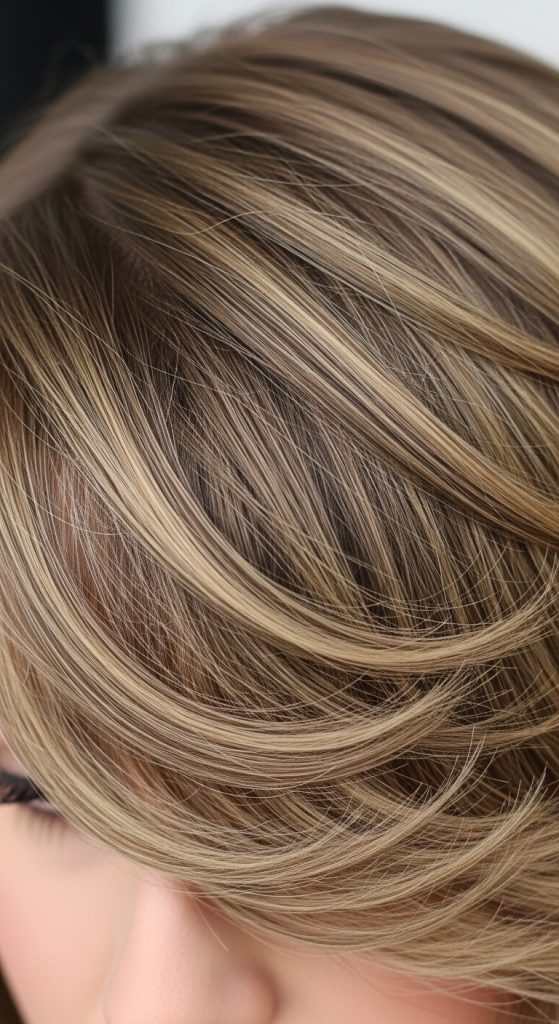
The classic butterfly cut with a deep side part emphasizes dramatic asymmetry and cascading layers. The stylist begins by establishing the overall length, usually below the shoulders. The top section of hair is separated and trimmed shorter, typically around chin to collarbone level. These shorter layers form the “wings” of the butterfly effect. The remaining length underneath is left longer to maintain fullness. A deep side part is then created to shift volume noticeably toward one side. This technique enhances root lift and creates natural contouring around the face. Styling involves blow-drying with a round brush, directing layers away from the face for flow. A light volumizing product at the roots supports height. This variation works well for medium to thick hair. It provides visible dimension without compromising length. Maintenance requires reshaping the shorter layers regularly to preserve structure. The result is balanced yet dramatic, making it one of the most saved Pinterest ideas within layered haircut inspiration.
2. Soft Butterfly Layers with Subtle Side Sweep
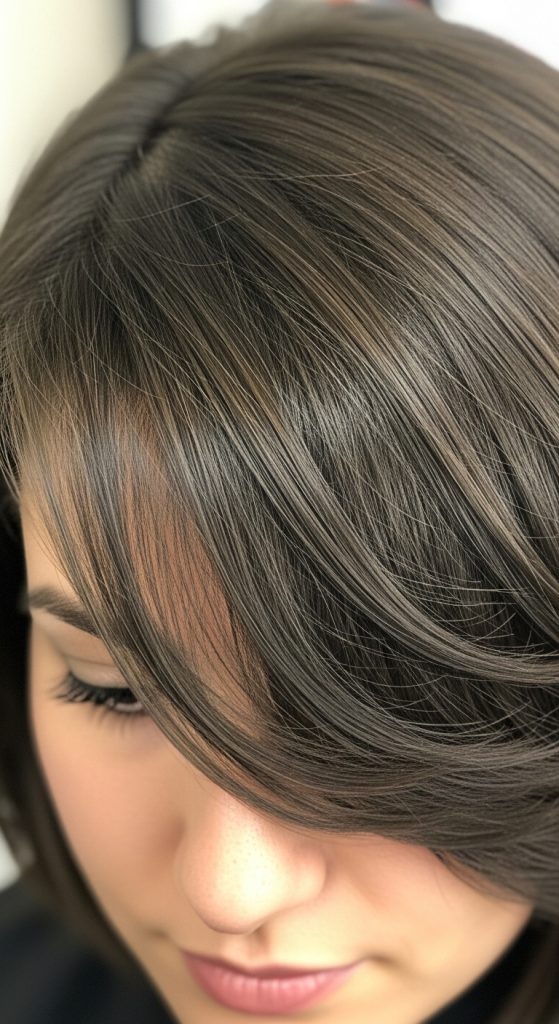
Step-by-Step Guide
This softer interpretation reduces contrast between the top and bottom layers. The stylist trims the upper section only slightly shorter than the base length. This creates gentle movement instead of dramatic lift. The side part remains moderate rather than deep. The goal is natural volume without extreme asymmetry. Blow-drying involves lifting at the roots while smoothing the ends. This variation suits individuals who prefer understated elegance. Fine to medium hair types benefit from this approach because it maintains density at the ends. Maintenance includes trimming front layers every six weeks. The soft butterfly cut works well for professional environments while still offering dimension. It remains beginner friendly for those new to layered cuts.
3. Butterfly Cut with Face-Framing Emphasis
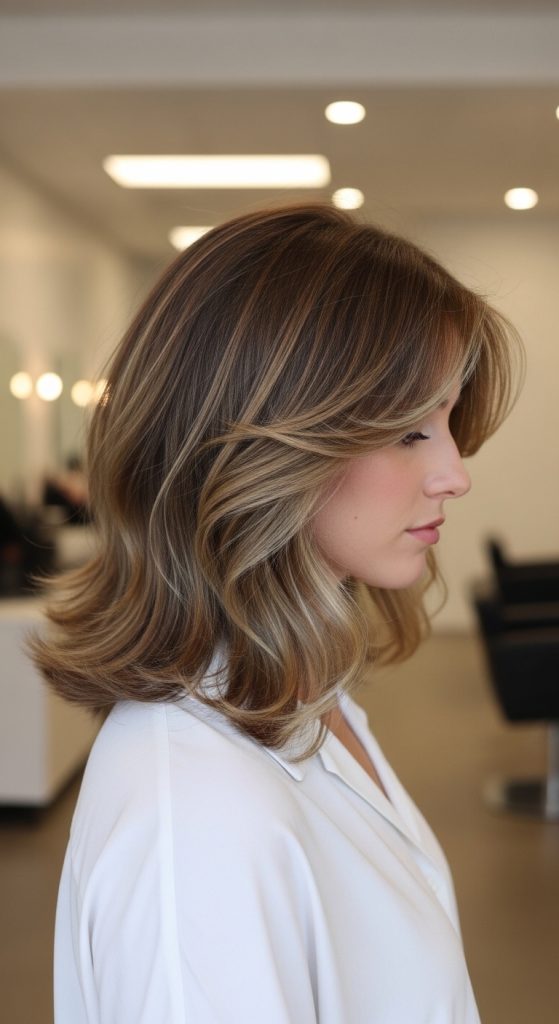
Execution Process
In this version, the focus remains on framing the cheekbones and jawline. The shorter butterfly layers begin higher near the cheekbones. The stylist angles these layers diagonally to blend into longer sections. The side part directs layers across the forehead softly. This technique highlights facial structure. Styling involves curling front layers slightly outward. The effect enhances contour without reducing back length. This variation suits oval and round face shapes. It provides dimension while keeping overall structure balanced.
4. Voluminous Crown Butterfly with Side Lift
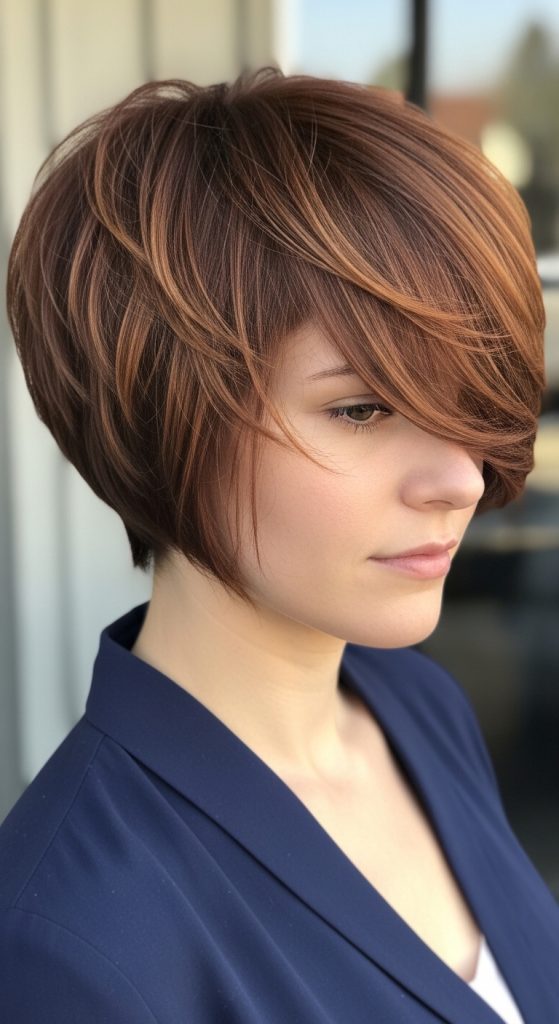
How to Make
This variation prioritizes crown height. The top section is cut noticeably shorter to create lift. The side part supports root elevation. Blow-drying with a round brush and directing airflow upward increases fullness. Thick hair types benefit from this structured graduation. Maintenance requires shaping the crown regularly to prevent heaviness. The result is bold and airy.
5. Wavy Butterfly Cut with Side Flow
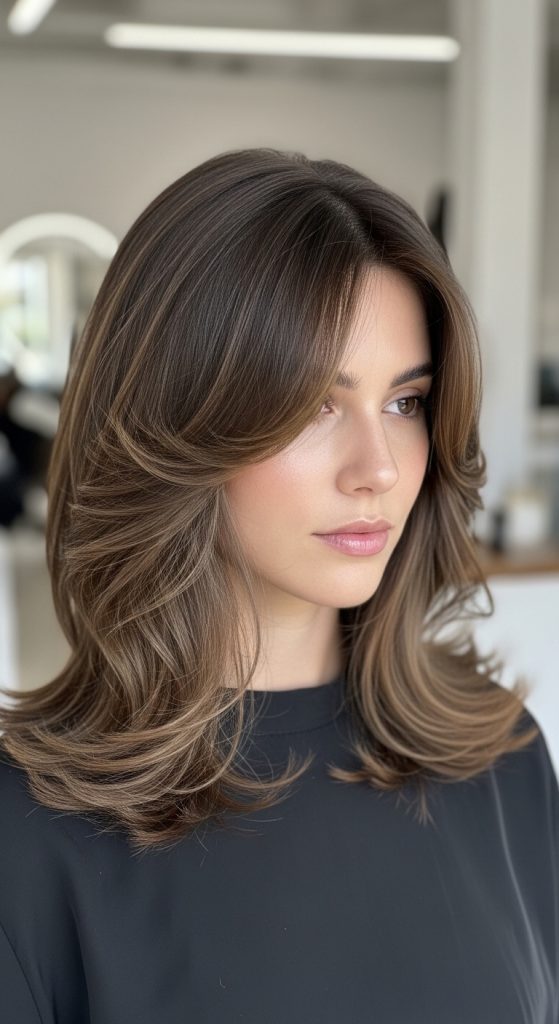
How to Create
The wavy butterfly cut enhances natural texture. Layers are cut slightly longer to accommodate wave shrinkage. The side part supports soft movement across the forehead. Diffusing helps define waves. Light scrunching creates separation. This variation supports casual styling routines and grows out smoothly.
6. Long Butterfly Cut with Extended Layers
Execution Process
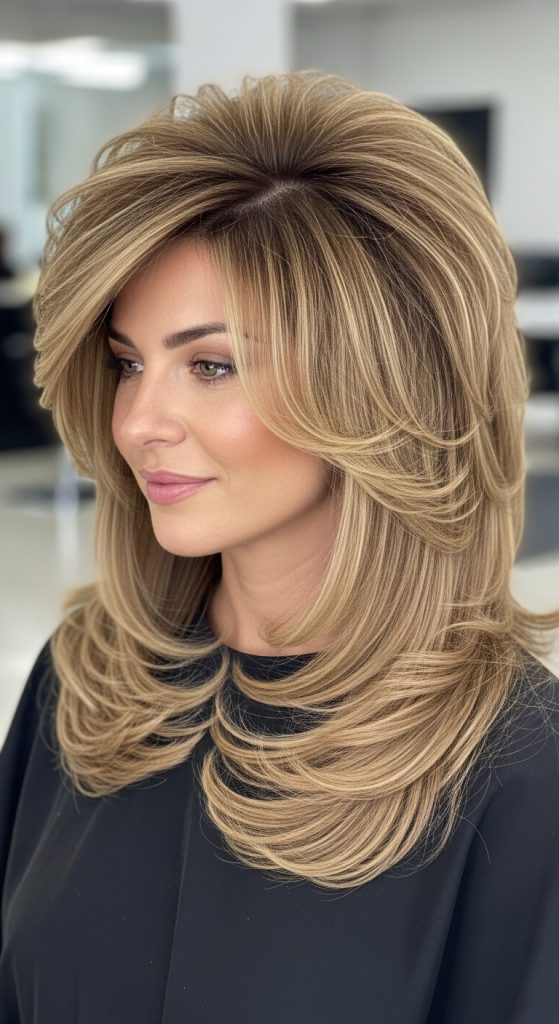
For those maintaining long hair, this variation keeps the lower section significantly longer. The top layers are blended carefully to avoid a dramatic contrast. The side part remains subtle. Styling focuses on smooth flow rather than extreme volume. This cut retains length while adding depth.
7. Butterfly Cut with Side Curtain Fringe
Step-by-Step Guide
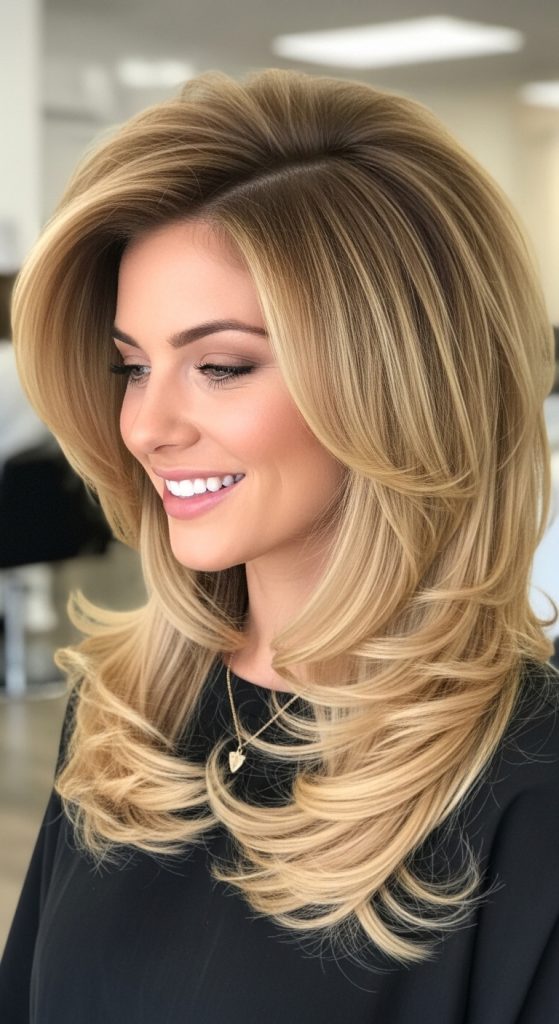
This style integrates curtain fringe angled toward one side. The bangs blend into butterfly layers seamlessly. Blow-drying outward maintains softness. This variation enhances versatility and can be styled forward or pinned back.
8. Textured Butterfly with Feathered Ends
How to Make
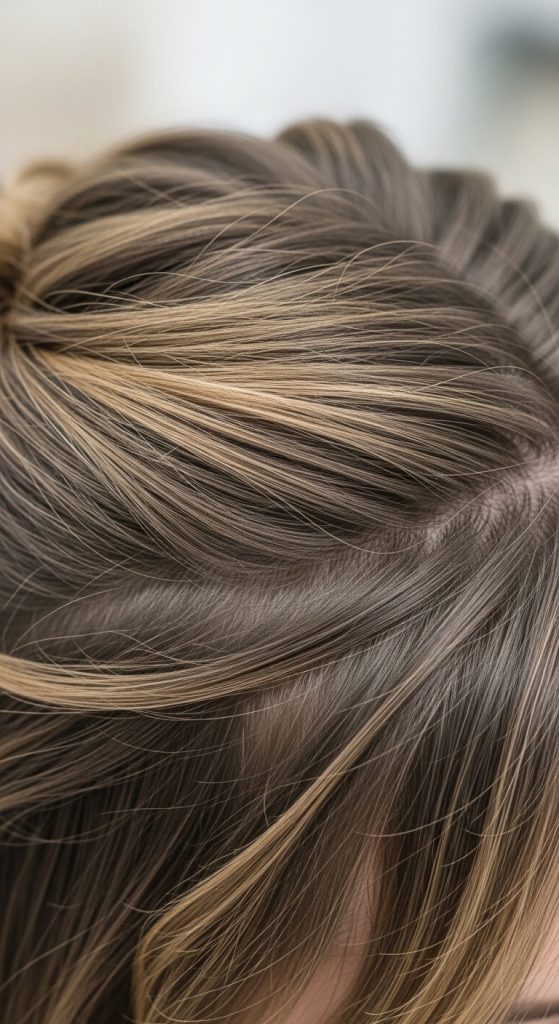
Using point cutting, the stylist softens the ends to create feathered separation. The side part enhances layered flow. Styling includes light texturizing spray for definition. This version aligns with modern textured trends.
9. Sleek Straight Butterfly Cut

Setup Method
This interpretation emphasizes smoothness rather than volume. Layers are blended precisely. Flat ironing enhances shine while maintaining shape. The side part creates subtle asymmetry without excess lift.
10. Minimalist Butterfly with Gentle Graduation
How to Create
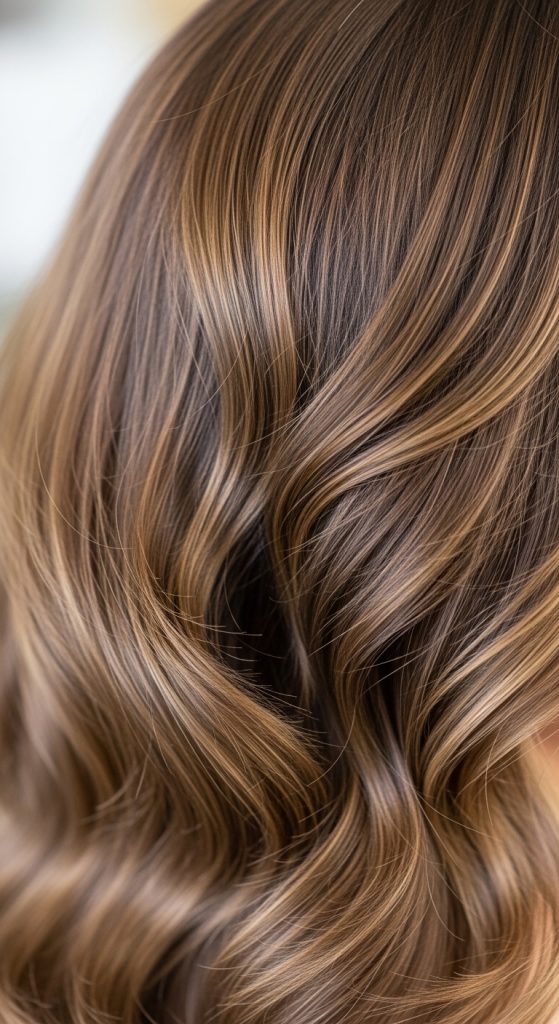
The minimalist butterfly cut uses soft, almost invisible layering. The side part remains natural. Styling is minimal. This version suits professional settings while maintaining modern structure.
Common Mistakes to Avoid
Over-layering can cause thin ends. Cutting the top section too short disrupts balance. Ignoring natural growth patterns complicates styling. Regular consultation prevents these issues.
Practical Styling Guidance
Lift roots gently rather than over-teasing. Use lightweight products to maintain movement. Trim consistently to preserve structure.
Budget and Maintenance Planning
Schedule trims every six to eight weeks. Avoid heavy chemical processing. Maintain hydration to protect layered ends.
Creative Expansion with Color and Dimension
Subtle highlights enhance layered contrast. Soft balayage emphasizes depth. Harmonizing cut and color creates cohesive aesthetic results aligned with modern Pinterest inspiration trends.